AGRA

Empowering Africa’s Agricultural Transformation: Insights from Marc Bertin Gansonré

At a critical juncture for Africa’s agricultural future, leaders gathered in Kampala, Uganda, to chart the course for the next decade of agricultural transformation. Among the key contributors was Marc Bertin Gansonré, a producer, parliamentarian, and member of the Africa Food Systems Parliamentary Network (AFSPaN). Here, he reflects on the summit’s outcomes and shares his vision for the continent’s food systems.

A Summit for Change: Context and Objectives

The Kampala summit marked the culmination of Africa’s efforts under the Malabo Declaration and the transition to the post-Malabo strategy (2026-2035). Launched in 2003 with the Maputo Declaration and renewed in 2014, the Comprehensive African Agricultural Development Programme (CAADP) has already made strides in boosting agricultural GDP, increasing investments, and reducing poverty. As Marc Bertin Gansonré notes, “The goal was to evaluate the progress and define a roadmap to ensure Africa’s agricultural systems can thrive and sustain its citizens by 2063.”

The new framework seeks to promote sustainable agro-food systems and mobilize long-term internal financing mechanisms to reduce reliance on external support. “The shift is essential for Africa to achieve true sovereignty and resilience in its agricultural sector,” Gansonré adds.


Participatory Collaboration: A New Dynamic

Reflecting on his participation, Gansonré praised the inclusive approach of the summit. “For the first time, voices from civil society and parliamentarians were actively incorporated,” he shares. This inclusivity enriches the dialogue and ensures a broader perspective on tackling hunger and food insecurity.

He highlighted the Ugandan president’s call to action, urging a paradigm shift that integrates all layers of society in transforming agriculture. “Transforming agricultural products and ensuring fair representation for all demographics is paramount to our success,” says Gansonré.

Challenges and Unfinished Business

Despite the summit’s achievements, Gansonré acknowledges the need for more tangible outcomes. “While the leaders’ commitment is commendable, concrete solutions remain elusive,” he observes. He advocates for the development of long-term financing mechanisms and enhanced collaboration among African nations to build resilient agricultural systems.

“We must collectively focus on sharing experiences, embracing technological advancements, and ensuring policies are grounded in the realities of each country,” he emphasizes.

The Role of Burkina Faso: A Model of Commitment

Gansonré’s passion for agricultural transformation is evident in his praise for Burkina Faso’s efforts. “In just two years, Burkina Faso has significantly increased its investment in agriculture, setting an example for the continent,” he states. He believes that scaling such commitments across Africa could drastically reduce hunger and enhance food security.

Looking Forward: A Call to Action

As the summit concluded, Gansonré remained optimistic about Africa’s agricultural future. “The world is a global village, and unity is our strength,” he asserts. He calls on stakeholders to prioritize food security and invest in agricultural innovations, ensuring a sustainable and inclusive future for all Africans.

A Shared Vision for Africa’s Agriculture

This summit highlighted the urgency of transforming Africa’s agricultural sector to meet the challenges of the 21st century. Gansonré’s reflections serve as a reminder that success hinges on collaboration, innovation, and a steadfast commitment to empowering the continent’s smallholder farmers—the true heroes of Africa’s agricultural transformation.

Marc Bertin Gansonré is a well-known producer and active figure in rural development in Burkina Faso. He currently serves as a Member of Parliament in the Transitional Legislative Assembly (ALT) and is an active member of the Africa Food Systems Parliamentary Network (AFSPaN).

Meet Lyna: From a Smallholder Farmer to Chairlady of an Aggregation Cooperative

After two hours of driving under the scorching sun in Kitui Rural, we finally arrived at the Kamantho Farmers Marketing Cooperative Society warehouse, the only aggregation store in the region, located in the heart of the village market. Initially established as a self-help group in 2020 and later registered as a Community-Based Organisation (CBO), the Cooperative now serves over 305 registered members and about 2500 non-members from Maleku, Kamantho, and Nthongoni locations.

Ms. Nzambia and an employee confirm the weight of a farmer’s produce at the Cooperative Premises

We were greeted at the Kamantho premises, an imposing building sitting on about one acre of land, by Lyna Judy Nzambia, the cooperative’s chairperson, and several of her committee members. Lyna, a wife, and mother of four, initially employed conventional practices that depleted soil health and fertility. Living in a semi-arid area plagued by the effects of climate change and water scarcity, she struggled to harvest more than two bags of green grams per acre. Faced with poor yields and creeping poverty, she was forced to sell her meager produce to brokers who often exploited her, leaving her in a worse situation.

However, a silver lining emerged in 2020 when the Cereal Growers Association (CGA), an implementing partner of the Strengthening Regenerative Agriculture in Kenya (STRAK) project, introduced regenerative agriculture to the area, challenging conventional norms. STRAK is a project of AGRA with funding from the IKEA Foundation. Lyna and her fellow farmers underwent training on regenerative agriculture practices that restore soil health, improve crop yields, and increase farmers’ income. They also received training on post-harvest handling, entrepreneurship, self-help groups, and aggregation of farm produce.

Regenerative agriculture transformed into a philosophy, reshaping the connection between the land and its stewards. Lyna, driven by a commitment that surpassed her fields and armed with knowledge in entrepreneurship, self-help groups, and aggregation, started an Agrovet shop and spearheaded the formation of the Kamantho Farmers Marketing Cooperative Society self-help group. She was elected the chair lady when they registered as a Community-Based Organisation (CBO). She not only focused on cultivating land regeneratively but also on collective marketing strategies to get their produce the best market and price.

The introduction of regenerative agriculture for the growth of certified seeds, drought-resistant crops such as pearl millet and white sorghum, as well as other value chains for livelihood resilience, marked the birth of a new era for Lyna and the members of the newly registered Kamantho cooperative. They immediately started deploying the new practices, and the community was pleasantly surprised by the results. Lyna reports seeing grain yields increase from two to six bags of green grams per acre. They went from getting a mere sh40 per kilo of green grams to sh100 for the same.

Soon after, the cooperative rented a small room at the marketplace, becoming a unified voice that negotiated fair prices for their harvest. However, the room soon proved too small for the growing collections from the three locations. Towards the end of 2020, during the COVID-19 pandemic, the county government, recognizing the cooperative’s commitment and impact, partnered with other organizations to help them build a bigger storage facility on the unused community land in the heart of the village market. Yet, the cooperative faced skepticism from the villagers over the land.

Initially, they refused to allow the warehouse to be built, but through Lyna’s resilience coupled with the lobbying of the elders and the area chief, they eventually secured the one-acre plot for the warehouse with the support of the community. Non-members of the cooperative are paid upon delivery of produce, while members are paid after aggregation and a market has been found.

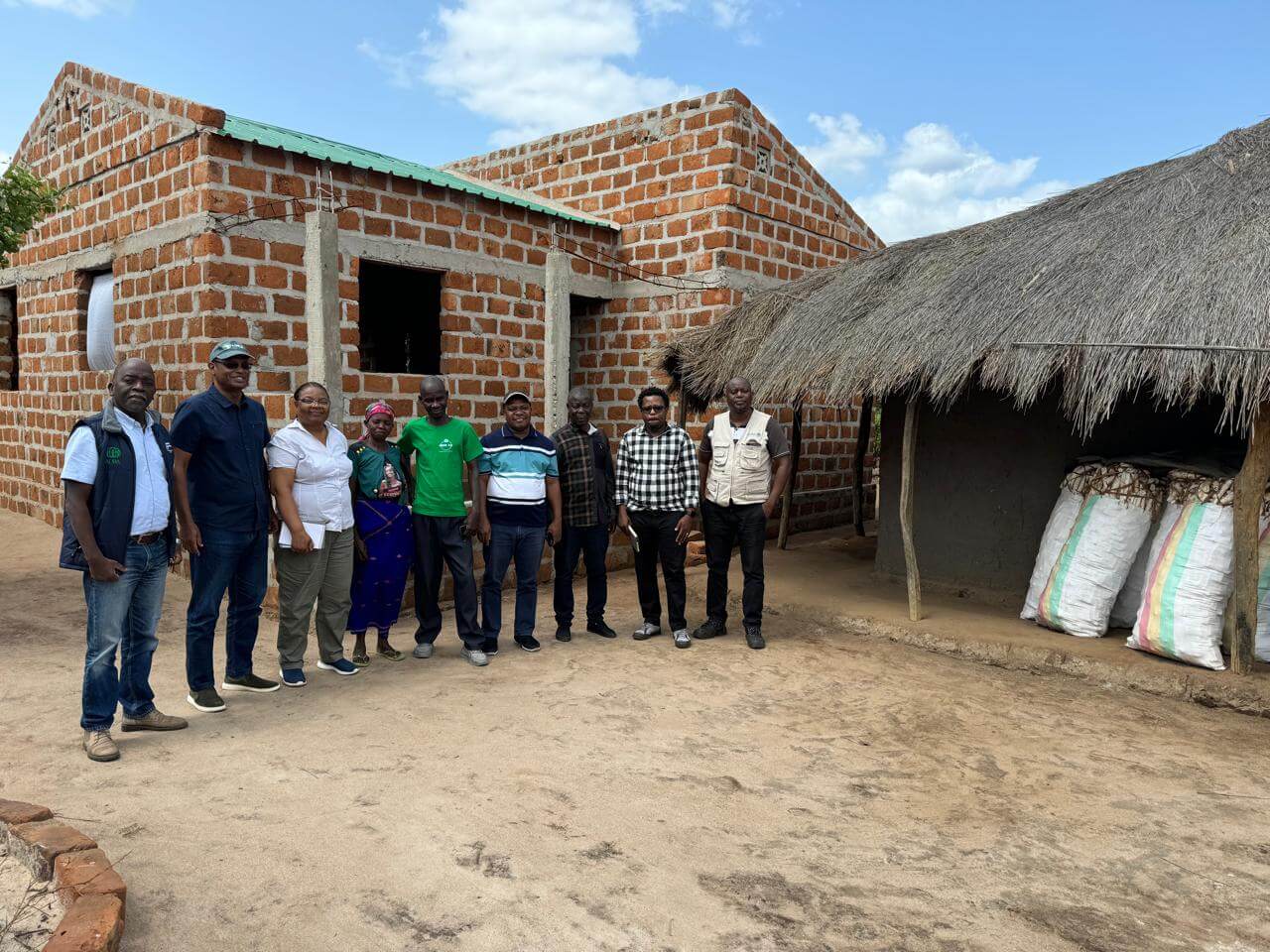
The impact of regenerative agriculture continues, and community development is profound. It has become a catalyst for economic growth, improved education, and enhanced living standards for the people of Kamantho. Children who had dropped out of school are back, and many of them are achieving grades that allow them to join universities and Technical Vocational Education and Training (TVET) Colleges. Families are also building permanent houses and moving from their previous grass-thatched dwellings. Community members reported that households are happier and more stable.

“You no longer find women walking around wrapped in lesos around their waist looking desolate. They are looking sharp and happier than before, taking great care of their families, and many more want to join the cooperative as members,” stated Lyna.

Lyna’s story transcends higher yields; it’s a narrative of cultivating hope, restoring ecosystems, and fostering community resilience and unity. Her leadership exemplifies how embracing regenerative agriculture can be the cornerstone of sustainable and thriving communities, where the land and its people heal together. As we celebrate Lyna’s achievements, let her story inspire others to sow the seeds of positive change, one regenerative practice at a time.

Ethiopia: Reflecting on Agricultural Transformation under CAADP

A History of Commitment and Leadership

Ethiopia’s steadfast alignment with the Comprehensive Africa Agriculture Development Programme (CAADP) underscores its unwavering commitment to fostering sustainable agricultural growth and ensuring food security for its population. This alignment is seamlessly integrated into national development strategies such as the Growth and Transformation Plans (GTP I & II) and the 10-Year National Development Plan, positioning Ethiopia as a pioneer in agricultural innovation and transformation (Ministry of Agriculture, 2024).

“These frameworks are more than policies; they represent Ethiopia’s steadfast commitment to creating a sustainable agricultural future,” remarks Mr. Zena Habtewold, Senior Adviser to the Ministry of Agriculture and CAADP Focal Person. Furthermore, Ethiopia’s alignment with the African Union’s Agenda 2063 solidifies its reputation as a leader in Africa’s agricultural renaissance, setting an exemplary model for other nations.

Progress, Lessons Learned, and Future Opportunities

Ethiopia, a land of rich agricultural traditions, has emerged as a pioneer in Africa’s agricultural transformation. Through the framework of CAADP—an ambitious initiative by the African Union—Ethiopia has achieved remarkable milestones while addressing complex challenges.

This article reflects on Ethiopia’s progress, lessons learned, and future opportunities, using insights from the 2024 Biennial Review Report to highlight how the nation aligns with CAADP’s six strategic goals.

 Achievements Aligned with CAADP’s Six Strategic Goals

  1. Increased Agricultural Productivity

Ethiopia’s Irrigated Wheat Program has transformed its agricultural landscape. In Adama, for instance, 35-year-old farmer Getahun Tadesse recounts how adopting large-scale irrigation doubled his wheat yield in just two seasons. Programs like this have reduced Ethiopia’s wheat import dependency by 35%, proving the nation’s capacity for innovation.
Yet, challenges remain. Smallholder farmers like Getahun still face barriers to accessing irrigation technology. According to the 4th Biennial Review Report, Ethiopia scored 5.89/10 in productivity signaling progress but also underscoring the need for inclusivity.

“The success of our wheat program shows Ethiopia’s ability to innovate and collaborate across sectors,” says Zena Habtewold, “Equitable growth demands integrating smallholder farmers into these initiatives.”

  1. Halving Poverty Through Agriculture

Ethiopia’s Coffee Sector Expansion Initiative planted 40 billion seedlings, transforming the livelihoods of over 15 million smallholder farmers. Among them is Alemnesh Bekele, a mother of three from Sidama, who used proceeds from her coffee harvest to build a permanent home.

Despite such success stories, rural poverty persists, especially in areas with limited market access. Targeted strategies are essential to empower farmers like Alemnesh to thrive in global markets. Indicators in the Biennial Review reflect mixed progress, emphasizing the need for stronger market linkages and financial inclusion.

  1. Tackling Hunger and Malnutrition

Initiatives like Lemat Trufat (Bounty of the Basket) have brought diverse foods to rural households, improving food security. For instance, in Borena, community leader Ahmed Abdella notes how introducing drought-resistant crops like sorghum has stabilized food supplies during lean seasons.

Despite a 6.1/10 score in hunger reduction, Ethiopia still struggles with malnutrition, especially in drought-prone regions. To address this, Ahmed suggests tailored interventions, including region-specific nutrition programs and social safety nets.

“Fighting malnutrition isn’t just about ensuring food availability. It’s about delivering the right resources to the right communities,” reflects Zena Habtewold.

  1. Building Resilient Food Systems

Through the Green Legacy Initiative, Ethiopia has planted over 25 billion trees, reclaiming degraded lands and promoting biodiversity. In Amhara, Mulugeta Tesfaye, a forestry technician, describes how tree planting has turned barren hills into lush forests, boosting the region’s climate resilience.

To sustain these achievements, Ethiopia must develop monitoring frameworks that measure long-term socio-economic and ecological impacts.

  1. Boosting Intra-African Trade

Ethiopia’s participation in the African Continental Free Trade Area (AfCFTA) demonstrates its commitment to regional trade. However, logistical challenges persist. For example, Hirut Gebremariam, a farmer from Bale, struggles to transport her surplus produce due to poor road infrastructure.

In a success story from AfCFTA, Ethiopia recently exported coffee and livestock to Kenya and Djibouti, generating record revenues. These efforts underscore how regional trade can unlock opportunities for smallholder farmers.

“AfCFTA has the potential to revolutionize agriculture in Africa, and Ethiopia is at the forefront of this movement,” says Alemayehu Geda, a trade economist at Addis Ababa University.

  1. Strengthened Governance

Ethiopia has made strides in governance and accountability under CAADP. Initiatives to improve data systems and transparency are taking root, but challenges remain. Strengthening participatory policymaking and building robust data frameworks are critical for sustaining momentum.

“Strong governance is the backbone of agricultural transformation,” emphasizes Zena Habtewold. “Our next steps must prioritize building robust systems to track progress effectively.”

Lessons Learned

  • Inclusivity Drives Sustainability: Engaging women and youth, like Alemnesh and Ahmed, has proven transformative. Scaling these efforts requires tailored policies and sustained investment.
  • Innovation is Key: While digital tools have improved productivity, they remain inaccessible to many smallholders. Bridging this gap is crucial.
  • Policy Alignment Works: Ethiopia’s alignment with CAADP’s objectives demonstrates the power of collaboration and strategic planning.

Opportunities for Future Progress

  • Expand Digital Agriculture: Leverage affordable digital technologies to bridge productivity gaps in underserved areas. Programs like Digital Farming Solutions, piloted in Tigray, offer promising models for expanding smallholder access to precision agriculture tools.
  • Address Regional Disparities: Implement targeted interventions in marginalized regions to reduce poverty and malnutrition.
  • Strengthen Climate Resilience: Scale up climate-smart practices and expand reforestation initiatives to ensure sustainable agriculture.

Call to Action

As Ethiopia prepares for the 2025 CAADP Summit, the following priorities must take center stage:

  • Reaffirming Commitments: Deepen alignment with CAADP’s six strategic goals.
  • Investing in Innovation: Ensure smallholders access digital tools and climate-smart technologies.
  • Fostering Partnerships: Strengthen collaborations to accelerate progress and share knowledge.

Ethiopia’s journey under CAADP reflects the transformative power of inclusive and innovative agricultural practices. By addressing critical gaps—such as integrating smallholder farmers, improving infrastructure, and enhancing market access—Ethiopia can cement its role as a leader in Africa’s agricultural transformation. This is more than a story of progress; it is a vision for a food-secure and prosperous Africa, driven by resilience, innovation, and inclusivity.

Story of Lucas Caruana

  1. What inspired you to venture into agriculture at such a young age?

My name is Lucas Caruana Quilavilene and I am 41 years old. I was a farmer but not with correct procedures and I was selling products at the local market. Then in 2014 I started my journey into farming as business with the project PRONSANI implemented by ADRA under AGRA funds, after completing my secondary school and since I couldn’t get to university because of funds. I entered as a simple member of a farmer’s group and then I was chosen for VBA training, where I was thought how to aggregate produce, increase production, sensitize farmers and other good things. I liked the training and since as doing small businesses, I started following the recommendations.

  1. Can you share some of the biggest challenges you faced when starting your agribusiness and how you overcame them?

I used to have issues with working capital, but I started saving my money and I invested more and more. I also had issues with warehousing facility, then I had to build my small warehouse of 50 MT. The project also helped me to have 30 days loan at Casa do Agricultor.

  1. What innovative practices or technologies are you using in your agribusiness operations?

I have been using new varieties that give higher yield compared to the ones I use to use before. I also started using fertilizer and agrochemicals for maize, particularly.

  1. How has support from AGRA impacted your journey and success as an agri-preneur?

After being trained as VBA, they also gave me opportunity of becoming an agro-dealer, since we did not have one at my village. I linked to inputs supplying companies, in Mocuba it was Casa do Agricultor (for seed and other inputs) and ETG (for agrochemicals). Today I am able to sell about 500MT of maize seed and other inputs, from which I get $7,000 to $ 10,000 per season as gross margin. I also aggregate maize grain, cassava, sesame and pigeon peas

  1. Can you describe a breakthrough moment in your business that made you realize you were on the right path?

I got it when I started by business as agro-dealer and aggregator, and I was able to increase my farm and build my house.

  1. How do you think young people can be encouraged to pursue careers in agriculture?

I encourage young people to venture in agriculture through training via demonstration plots and also working with them as part of my aggregators. I am currently working with 50 youth and 60% are women.

  1. What role do you see for sustainability and environmental stewardship in modern agriculture?

I always support other farmers with new technologies, showing them via demonstration plot and field days. I am currently the only one at my village and I work with about 300 farmers and 50 youth, including 60% women.

  1. How have you managed to balance traditional farming techniques with modern agricultural advancements?

I have been getting better yield because of using improved varieties of maize seed.

  1. What advice would you give to other young people interested in entering the agricultural sector?

I would recommend the young people to start with a small farm and then develop. I built my house within three months, this has show others that agriculture can give money.

  1. What are your future plans and goals for your agribusiness, and how do you plan to achieve them?

I am registered my shop as an agro-dealer and concluding the registration process. I am planning to increase my warehouse, and I will be saving more and then investing.

Enhancing Access and Transforming Seed Systems in Ghana.

The seeds and Inputs Fair has become a linchpin in revolutionizing agriculture in the farming landscapes of Northern Ghana. By facilitating farmers’ access to quality inputs and certified seeds, the fair impacts profoundly the Ghanaian seed sector and the broader agricultural transformation, thereby transforming lives and communities.

Breaking Barriers to Accessibility

Seed, as the fundamental unit of agricultural production, embodies heritable genetic information essential for crop cultivation. Quality seed, characterized by attributes such as trueness to variety, germination percentage, purity, and freedom from pests and diseases, significantly influences crop productivity and quality. Concurrently, the synergistic application of crop protection products (CPPs) further optimizes agricultural outcomes.

Despite the pivotal role of quality seed and agro-inputs, many smallholder farmers in Ghana encounter challenges in accessing certified seeds and reliable agro-inputs, often resorting to suboptimal practices that undermine productivity and food security.

In response to these challenges, the National Seed Trade Association of Ghana (NASTAG) signed an agreement with AGRA to implement part of the activities under Phase II of the Partnership for Inclusive Agricultural Transformation in Africa (PIATA) program. Titled “Strengthening the Ghana Seed System to Enhance Quality Seed Delivery to Farmers,” the 26-month program focuses on four main crops: maize (hybrid), soybean, groundnut, and cowpea. This initiative, launched by AGRA, aims to provide an inclusive approach to unlocking markets for participating smallholder farmers.

NASTAG, in collaboration with MoFA, Farm Radio International, and the Feed the Future Ghana Market Systems and Resilience Activity, hosted six District/Municipal Seed and Input Fairs themed “Growing together: Developing Seed Systems for Sustainable Farming.” The fairs promoted quality local seeds and crop protection products, emphasizing their synergistic role in optimal crop performance.

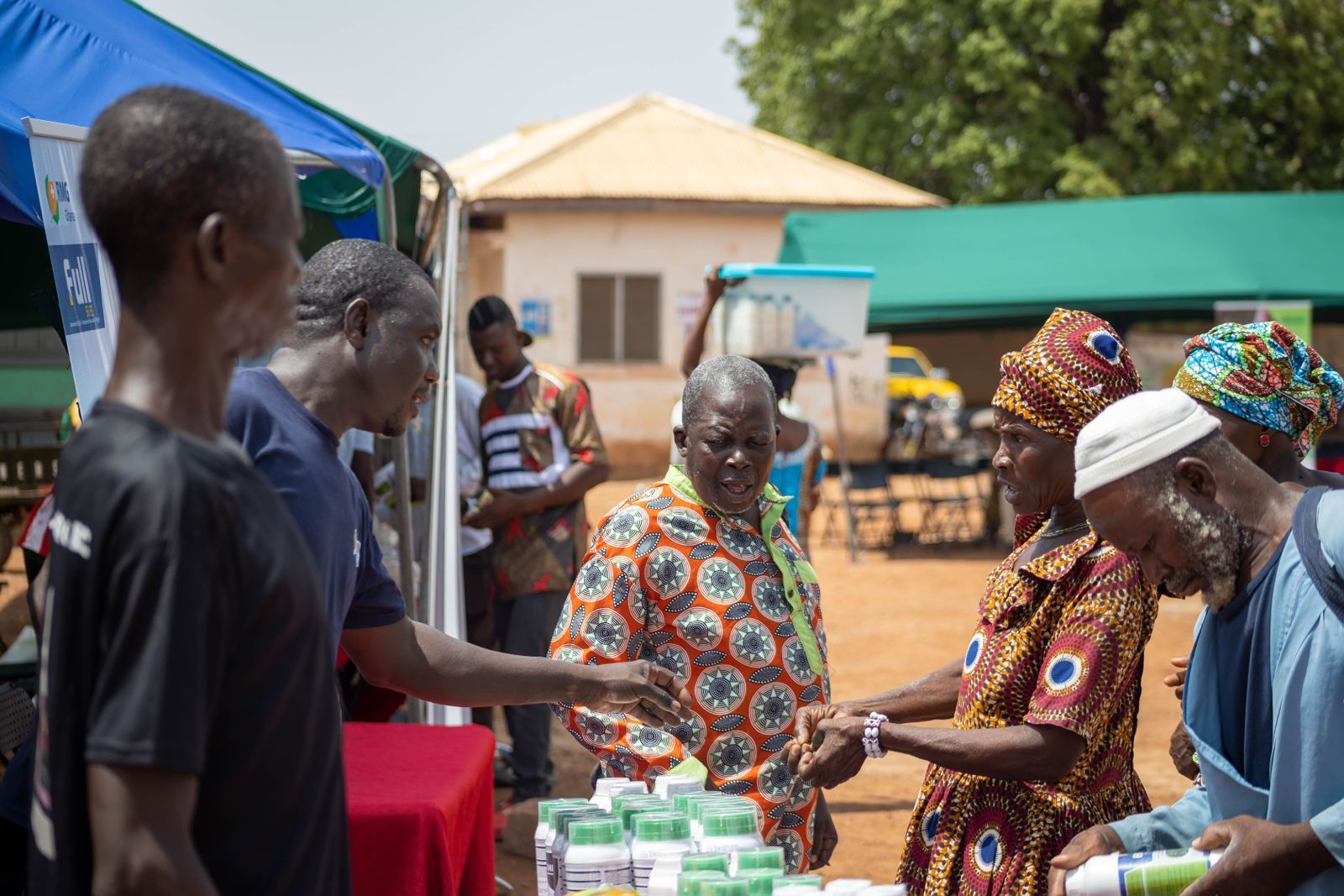
Held across six strategic districts—Wa, Sissala East, Sissala West, Builsa North, Mamprugu Moagduri, and Savelugu—the fair attracted over 1,200 farmers. It provided them with a unique opportunity to interact directly with 21 top agricultural companies showcasing quality-certified seeds and advanced agrochemicals. These exhibitions were not merely displays but interactive platforms for knowledge exchange and technological demonstrations, effectively bridging the accessibility gap and equipping farmers with the tools and knowledge needed to enhance their agricultural practices.

Empowering Women and Youth

The fair’s inclusive approach has been instrumental in empowering women and youth in the agricultural sector. Women, who made up a significant portion of the attendees (with participation rates as high as 67% in some districts), have found new avenues for economic and social empowerment through the fair. The fair’s inclusive approach has empowered women and youth in agriculture. Women, comprising up to 67% of attendees in some districts, have discovered new economic and social opportunities.

Abibata Salim, a soybean and maize farmer from Savelugu in the Northern Region, epitomizes this empowerment. Access to certified seeds and knowledge-sharing through Farm Radio programs and training from agricultural officials significantly increased her production. This not only improved her livelihood but also created job opportunities for other women in her community. “The use of certified seeds, and training has brought positive economic impact to our household. Learning to use crop residue as fertilizer was part of the techniques that increased our yields. Now we can harvest for our consumption and sell the surplus,” Abibata shared. “Women used to be confined to housework, but thanks to the training and radio programs we got recognition from our husband and the community for our farming capabilities, which created more job opportunities for women in our area,” she added.

Other women, like Iddrisu Afisatou, Lydia Asuman Nyanin, and Sisi Alima, from Sissala, attested that the combination of certified seed and training has increased their production by over 150%. This improved their livelihood and created job opportunities for other women and youth in their community. Shared knowledge and information brought unity and mutual support in the communities leading to better recognition and enthusiasm to do farming better.

Promoting Sustainable Agricultural Practices

The Seed and Inputs Fair has not only facilitated access to quality seeds, but also promoted sustainable agricultural practices. Through demonstration fields, farmers learned and applied new techniques, ensuring optimal crop performance and productivity.

One notable story is that of Seidu Yakubu, a rice and soybean farmer from the Sagnarigu district, a father of 18 children. He has transformed his economic situation by adopting improved agricultural practices and proper planning. From his yield, he has been able to purchase a tractor, a motor king and other motorcycles, reduced labor costs, and ensured that his household’s needs are met. “I have been farming the old way, using seeds from the previous harvest and farming only for the household as my father used to do. With the improved seeds, I produce, feed my family and sell the surplus,” he said, highlighting that he is now financially comfortable and can pay all his children’s school fees.

“If you walk to my house now, you can tell I am doing well,” said Awel Abukari, a farmer from the Nantong district. “Applying sustainable farming practices has significantly helped me and my community”, he added.

Building Strategic Partnerships

The Seed Fair has fostered strategic partnerships in agriculture, connecting seed companies, agro-input dealers, researchers, and breeders. These collaborations have created sustainable solutions throughout the value chain, ensuring lasting sector impact

Kweku Turkson, NASTAG program coordinator remarked, “Fostering synergies between institutions like AGRA, Farm Radio International (FRI), and NASTAG, helped align our goals and objectives to help strengthen the seed sector. By involving regulators, researchers, and donors at every level of the value chain, we can move on the same line and sustainably grow the Ghanian seed sector.”

Amanda Anipu, AGRA Program Officer highlighted, “The Seed and Inputs Fair promotes the local seed companies supported through the AGRA-USAID PIATA program, to scale-up the production of improved seeds and improve access for smallholder farmers. The presence of the Plant Protection & Regulatory Services (PPRSD), under MoFA, was a guarantee that the products exhibited were qualified and trusted. “We are happy that farmers are adopting certified seeds and technology, as we acknowledge that optimum crop performance acts in consonance with the right application of crop protection products at the right time, and it all works towards building food security in Ghana.”

Transforming Communities and Futures

The Seed and Inputs Fair has ignited a wave of transformation across Ghanaian farming communities. Addressing the critical issue of seed and input accessibility has not only enhanced agricultural productivity but also improved livelihoods and fostered community development.

Farmers now save on commuting costs and reduce risks by accessing inputs locally, thanks to the fair. The use of certified seeds and agro-inputs has boosted technology adoption and crop yields, fostering sustainable partnerships between producers and local dealers. The fair has also spurred a growing interest in agriculture among the youth, who now see the sector as a viable path to financial stability and job opportunities. Bakhie, a youth farmer from Liplime commended FRI radio programs from which he gained valuable Knowledge including farming practices, considering weather conditions and soil nutrition. “I was able to expand my farm from 3 to 27 units. Assisting us with efficient farming systems like the rotation, was beneficial as it helps us to sustain the fertility of our soil.”

Peter Tanga, Farm Radio International Program officer and project mentioned, “Our focus is to use radio and ICT to provide agronomic information to the farmers. Farmers testified that through our programs they can link up with input dealers to buy certified seeds. Through the sensitization, a lot of farmers are attending the fairs and can access the inputs they need for the next farming season. I am excited to continue through this project and ensure that farmers receive the right information at the right time.”
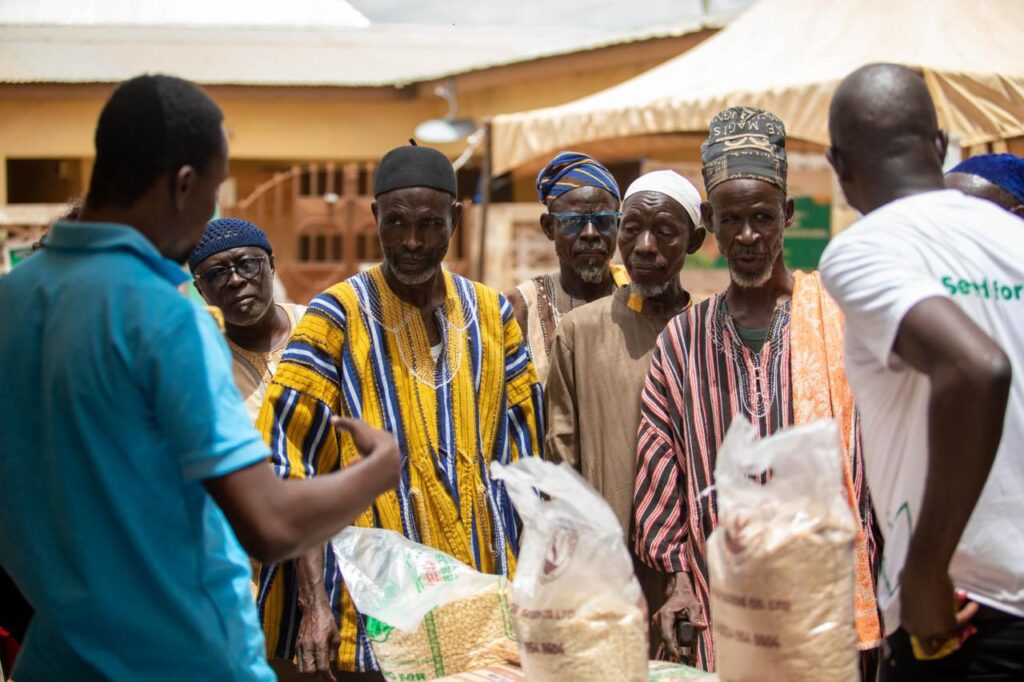
The Seed and Inputs Fair is transforming Ghanaian agriculture by enhancing access to quality inputs, empowering women and youth, promoting sustainable practices, and fostering strategic partnerships.  This event’s impact transcends productivity, driving economic empowerment, social cohesion, and community development. The 2024 Seed and Inputs Fair stands as a beacon of hope, lighting the way to a brighter, more sustainable future for Ghanaian agriculture.
Powering Ethiopia’s Agricultural Transformation through Partnerships and Resource Mobilizations

(Addis Ababa, 7 October 2024)

Stakeholder partnerships, resource mobilization, and capacity building are becoming increasingly crucial for achieving agricultural development and enhancing the sustainability of food systems. AGRA is leading this movement, driving change, delivering resources, and transforming the agriculture landscape in Ethiopia. Its involvement goes beyond financial support; AGRA actively engages in policies, strategies, and programs to revitalize agriculture in Ethiopia.

In collaboration with the Ethiopian Ministry of Agriculture (MoA), AGRA recently facilitated a two-day training program focused on resource mobilization and partnerships. The primary aim of this training was to equip MoA Directors and senior experts with essential knowledge and skills in grant writing, thereby enhancing their capacity for flagship program development and effective resource mobilization.

Nicholas Obare, Country Programs Lead of AGRA, emphasized the pivotal role in transforming agriculture through strategic policy engagement. He remarked, “Our partnership with the MoA empowers experts with the skills to drive significant reforms in flagship program development and resource mobilization. He reiterated that the current investment with MoA builds on the interventions undertaken under Strategy 2.0 and will focus on designing policy/regulatory reforms in support of flagship programs, supporting and coordinating the implementation of wheat, rice, and soybean flagship programs, addressing three micro/regulatory reform agendas prioritizing flagship programs and food system bottlenecks, strengthening the policy design and execution capacity of MoA and its affiliated institutions, putting in place and institutionalizing a digital tool for agriculture sector policy and regulatory tracking across agricultural sector institutions, and supporting the CAADP BR reporting process, public expenditure, NAIP, and food system review and regular updating.

During his welcome speech, Abera Mulat, Senior Advisor at the Ministry of Agriculture of the Federal Democratic Republic of Ethiopia expressed his appreciation for the training program. He said, “This initiative addresses a long-standing challenge: the limited capacity of staff to design and secure funding for specialized projects. Our Directors and experts can now develop comprehensive, high-resource plans essential for implementing the 10-year plan of the agriculture sector.” This newly developed capability will be crucial as the MOA seeks to implement projects that require substantial financial and technical resources.

Nicholas Obare, Country Programs Lead, AGRA-Ethiopia Office.
Abera Mulat,Senior Advisor, MoA

The two-day training program comprised an overview of the investments of AGRA in Ethiopia, strategies for resource mobilization in flagship implementation, and effective grant-writing techniques. Additionally, the participants received detailed guidance on leveraging the AGRA grant available to the MoA to advance their projects.

Ayele Gebreamlak, Program Officer at the AGRA-Ethiopia Office, presented an overview of AGRA’s investments in Ethiopia. He reiterated AGRA’s unwavering commitment to supporting the nation’s agricultural modernization efforts, aligning with Ethiopia’s broader development goals.

Dr Solomon Benor, Flagship Program Coordinator and AGRA secondee to the Ministry of Agriculture (MoA) led the session titled “How to Mobilize Resources and Write a Successful Grant Proposal.” Dr Benor emphasized the interactive nature of the training, which included group assignments enabling MoA staff to develop a complete proposal focused on selected commodities. This practical approach ensured that participants had not only acquired theoretical knowledge but were also well-prepared to mobilize resources effectively after the workshop.

Ayele Gebreamlak, Program Officer,AGRA-Ethiopia Office
Dr Solomon Benor,Flagship Program Coordinator and AGRA Secondee to MoA

The partnership between AGRA and the MoA has a clear objective: to foster innovation and capacity building within local communities. By facilitating access to resources and providing ongoing technical assistance, AGRA plays a crucial role in unlocking the vast potential of Ethiopia’s agricultural sector. This collaboration has already yielded positive outcomes, with successful project implementations across several regions, demonstrating how targeted investments and strategic expertise can deliver tangible results.


As Ethiopia looks towards the future, the continued involvement of partners like AGRA will be indispensable. Their expertise, financial contributions, and technical guidance are vital to achieving food security and economic resilience in an increasingly unpredictable global environment. Strong partnerships will bring Ethiopia closer to its vision of a thriving, self-sufficient agricultural economy, promoting sustainability, food security, and long-term prosperity. Now is the time for stakeholders across the agriculture sector to build on the foundation laid by AGRA and others, uniting their efforts to ensure a brighter and more prosperous future for Ethiopia.


Enhancing Nutrition in Burkina Faso

Good nutrition can be considered one of the foundations of a healthy, productive society. It is essential for physical and cognitive development, disease prevention, and the overall well-being of society. Yet, across many parts of Africa, malnutrition remains a big challenge, particularly for vulnerable groups such as women and children. Addressing this challenge requires a multipronged approach that not only ensures food security but also promotes agricultural practices,

The drive toward improved nutrition is gaining traction through strategic partnerships and innovative initiatives in Burkina Faso. The country’s Nutrition Programme, developed in collaboration with AGRA, is making noteworthy progress in addressing food security and enhancing the nutritional status of vulnerable populations, particularly women and children.

At the heart of the country’s approach is a commitment to strengthening local food systems. This includes supporting smallholder farmers, promoting the cultivation of nutrient-rich crops, and ensuring that these foods reach the communities that need them most. Through its partnership with AGRA, the Nutrition Programme has been able to scale its efforts effectively.

One of the key aspects of the programme is the empowerment of women farmers. In Burkina Faso, women play a vital role in agricultural production, and the programme focuses on equipping them with the skills and resources needed to grow diverse, nutritious crops. By offering training in sustainable farming practices and improving access to quality seeds and inputs, the programme is helping women increase their yields and incomes, thereby supporting better nutrition for their families.

The programme also promotes the use of biofortified crops. These are grown to have higher nutrition content, with the aim of eradicating malnutrition among vulnerable populations and sustaining good nutritional health. The initiative supports local agricultural production through its contributions to the improvement of local food systems. To this end, it advocates for smallholder farmers’ rights, supports the cultivation of rich food varieties, and delivers such foods to the needy in time.

Enhancing market access for smallholder farmers is another crucial element of the Nutrition Programme’s success. With our support as AGRA, stronger value chains have been established, linking farmers to markets where they can sell their produce at fair prices. This not only boosts farmers’ incomes but also ensures that nutritious foods are more widely available in local markets.

As we continue to build on our achievements, the upcoming Africa Food Systems (AFS) Forum, taking place from 2nd to 6th September in Kigali, Rwanda, presents a critical opportunity for growth and collaboration. This forum will gather stakeholders from across the continent, providing a platform for Burkina Faso and even other markets to showcase their progress, share valuable lessons learned, and explore new partnerships to advance their nutrition agendas.

Looking ahead, the Africa Food Systems Forum, which will be held from September 2nd to 6th in Kigali, Rwanda, is an important opportunity for growth and collaboration. This forum will bring together stakeholders from across the continent, allowing Burkina Faso and other countries to display their achievements, share valuable lessons, and create new partnerships to advance continental nutrition agendas.

Looking at countries such as Tanzania, which has exemplified the potential of integrated agricultural strategies by biofortifying maize and other staple crops, which has helped address vitamin and mineral deficiencies at a large scale, we see significant progress in improving nutrition in African countries. Engaging with such success stories at the forum will provide valuable insights and incentives for improving nutrition initiatives in our various markets.

The AFS forum is a unique occasion for us to engage with other countries, development partners, and private sector players who share a commitment to transforming Africa’s food systems. By sharing lessons learned and forging new collaborations, Burkina Faso can continue to lead in creating resilient, nutrition-sensitive agricultural systems that benefit all.

Ghana is championing resilient nutrient-dense, climate-smart bean varieties

Ghana’s agricultural landscape, a lifeline for millions of smallholder farmers, is under siege. Erratic rainfall, rising temperatures, and prolonged droughts wreak havoc on crops, threatening food security. Climate change’s relentless grip has particularly battered bean yields, escalating food insecurity. Adding to this, maternal and childhood anaemia rates are alarmingly high, prompting an urgent need for nutritional interventions.

Amid these challenges, the demand for legumes is on the rise. Common beans, with their immense potential, have emerged as a beacon of hope for Ghana’s agricultural future. Recognizing this, AGRA, in partnership with the Pan-Africa Bean Research Alliance (PABRA) and the Crop Research Institute under the Council for Scientific and Industrial Research of Ghana, has embarked on a groundbreaking initiative.

The tripatite partnership, aims to develop and deploy drought-tolerant, high iron bean (HIB) varieties tailored to Ghana’s unique Legume-Rice crop rotation. This ambitious project involves rigorous on-station and on-farm testing of advanced drought-tolerant, high iron and zinc bean lines. The ultimate goal is the release of robust varieties that not only thrive in Ghana’s challenging climate but also enhance soil health and crop yields.


To date, two groundbreaking varieties, “Adoye” and “Ennepa,” have been introduced. These beans are not just climate-resilient but also nutrient-rich, addressing both environmental and nutritional challenges. With 600 kg of Adoye and 200 kg of Ennepa breeder seeds already produced, the future looks promising. Memorandums of Understanding (MOUs) have been signed with four private companies, and breeder seeds have been supplied to two companies to produce foundation seeds under expert supervision.

The impact of this initiative extends far beyond just crop yields. By ensuring a resilient supply of nutrient-dense, climate-smart bean varieties, this project promises to improve food security, enhance farmer livelihoods, and significantly reduce the prevalence of maternal and childhood anaemia in Ghana.

Through innovative partnerships and forward-thinking solutions, Ghana’s bean revolution is paving the way for a sustainable and secure agricultural future.

Revamping Fertilizer Subsidy Programs: A Path to Enhanced Soil Health and Food Security in Africa

In a world where the demand for food continues to rise, ensuring the availability and effective use of fertilizers has never been more critical.Fertilizer Subsidy Programs (FSPs) are designed to address systemic flaws that limit fertilizer access and availability, subsequently harming soil health and diminishing food system performance.By lowering costs, boosting yields, and improving fertilizer use efficiency, FSPs drive innovations that elevate farmer incomes, enhance livelihoods, and bolster food security.

When managed well, FSPs also promote sustainable farming practices, enhancing soil structure, fertility, and microbial activity in the long run.In 2016/17, AGRA conducted a comprehensive assessment of the marketing and distribution systems for farm inputs, primarily fertilizers, in 11 countries—Burkina Faso, Ethiopia, Ghana, Kenya, Malawi, Mali, Mozambique, Nigeria, Rwanda, Tanzania, and Uganda. This assessment resulted in country-specific recommendations aimed at refining the design of FSPs.

A recent review of the FSPs implemented in these 11 countries between 2007 and 2022 highlights the extent to which these programs have integrated AGRA’s 2016/17 recommendations.The review reveals significant gaps and challenges in the design and delivery of FSPs, providing valuable insights and recommendations for policy and investment aimed at enhancing FSP effectiveness in Africa.

Some of the recomedation that were provided were, that an effective FSP Design is key in stimulating new demand and support the growth of existing fertilizer supply chains without displacing commercial sales. It also, encourage competition within fertilizer distribution channels to promote efficiency. Be temporary, with clearly defined exit strategies.

AGRA’s recommendations were both short-term and long-term, aiming to enhance FSP effectiveness by clarifying objectives, eligibility criteria, targeting, exit strategies, and monitoring and evaluation (M&E) systems in the short term. In the long term, AGRA encouraged the replacement of input subsidies with other forms of support.

These recommendations were grouped into three main clusters:

  • Program Clarity and M&E Systems: Improving program objectives, eligibility criteria, graduation and exit strategies, and strengthening M&E frameworks.
  • Soil Health Linkages: Scaling soil testing and nutrient deficiency mapping, and boosting local production and blending capacity for soil and crop-specific input packages.
  • Long-term Agricultural Investments: Aligning FSPs with broader agricultural and rural development investments, such as agricultural R&D, extension services, and infrastructure.
  • Implementation Levels Across AGRA Focus Countries: Between 2018 and 2022, Mozambique and Uganda demonstrated the greatest implementation progress, while Burkina Faso, Kenya, Mali, and Tanzania showed limited uptake. Ghana, Malawi, and Rwanda displayed moderate to strong implementation of AGRA’s recommendations.

The journey to revamp FSPs is ongoing. By integrating AGRA’s strategic recommendations, countries across Africa can improve the design and delivery of these programs, ultimately driving sustainable agricultural practices and ensuring food security. Through thoughtful policy and investment, FSPs can serve as catalysts for positive change, fostering innovation, competition, and long-term soil health improvements that benefit farmers and communities alike.

Kamotho Njiru: A Kenyan youngster pioneering solutions for farmers

Kamotho Njiru is the founder of Nawiri Plant, a start-up that links farmers directly to consumers and finds a market for their produce.

His agribusiness journey started in a very awkward manner, soon after graduating from campus in 2018.

Njiru, a project planning & management graduate, in partnership with his brother, started farming on their 90-acre family land in Naivasha where they planted potatoes. They jumped into the venture even without doing due diligence to find out how to go about the production of the third most important food crop in the world – potato, and the local market needs.

“We planted potatoes and when harvesting time came, we managed to get 100 tonnes of potatoes. However, we knew not where to take them,” he says.

He adds that he was tasked with the responsibility of looking for a market for their produce. “It was tough. I didn’t even know that I had to seek the services of a broker in order to access buyers at the Marikiti market in Nairobi.”

In the end, Njiru says they did not even recover their production costs.

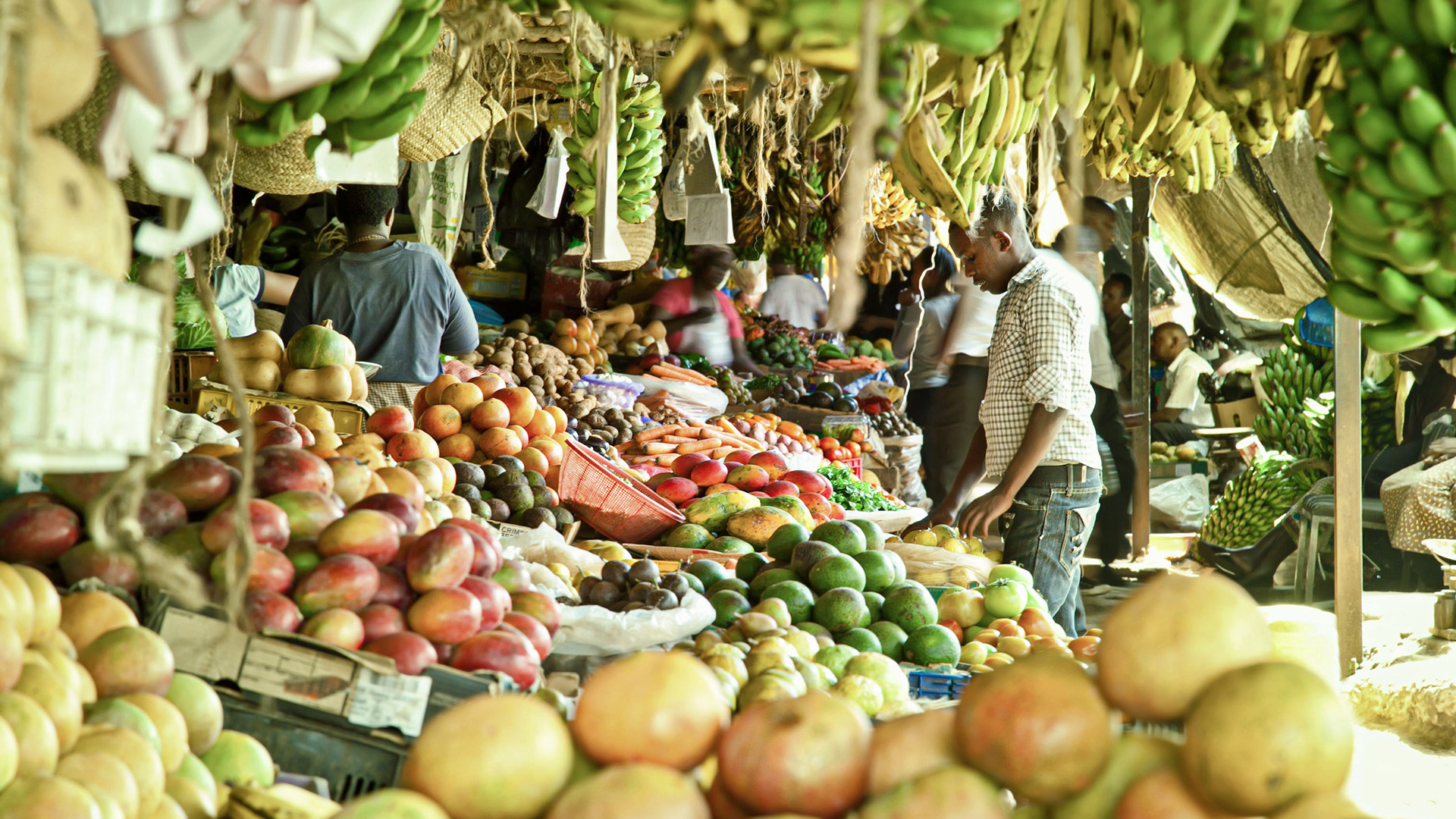
The Wakulima market or ‘Marikiti’ is one of Kenya’s most bustling and vibrant markets, located in Nairobi’s Central Business District (CBD), and it’s a key hub for trading a variety of farm produce.

The market is controlled by middlemen who operate like a pseudo-government by imposing taxes on hapless farmers and traders and end up pocketing millions of shillings every day through coercion and intimidation.

From this experience, Njiru came face to face with the main challenge facing the majority of small-scale farmers in the country.  That’s how, Nawiri Plant, was conceived, to help to help farmers with market intelligence.

The start-up is also helping farmers to understand current market prices, aiding them to keep track of demand trends, and this is enabling them to adjust their production to match market needs.

Various studies have revealed that middlemen in the agricultural supply chain pretend to bridge the gap between small-scale farmers and the consumers but their mode of doing business is a threat to the farmers.

The real profits go to the middlemen who buy up the farm produce at almost giveaway prices and sell at outrageous prices to the consumers. This attitude of middlemen discourages farmers willing to advance their ventures because of the marginal profits associated with the sector as the middlemen cart away the bulk of the profits.