AGRA

A New Dawn for Regional Trade: Launch of the Ethiopia-Kenya Pulse Trade Project

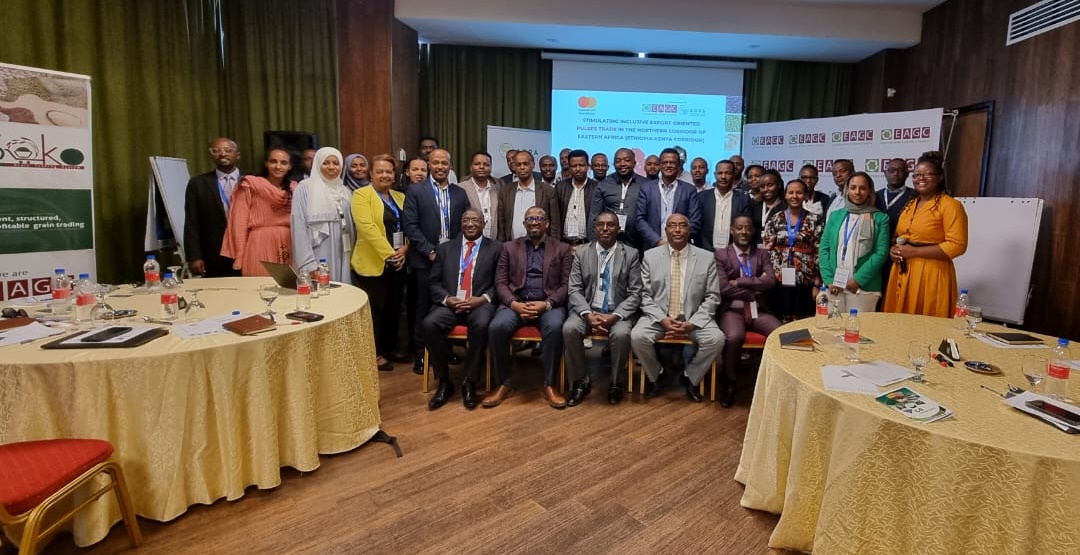
On 24th September 2024, a landmark occasion unfolded at the Ramada Hotel in Addis Ababa, marking the launch of the Ethiopia-Kenya Pulse Trade Project. Spearheaded by the Eastern Africa Grain Council (EAGC) in partnership with AGRA, this innovative initiative aims to catalyze inclusive, export-oriented pulse trade between Ethiopia and Kenya, laying the groundwork for sustainable growth in East Africa.

The event brought together 40 influential stakeholders, including the Ministers of Agriculture, alongside investors, exporters, and farmer unions. United by a common purpose, these leaders pledged to strengthen pulse trade partnerships, acknowledging their essential role in fostering regional integration and economic prosperity.

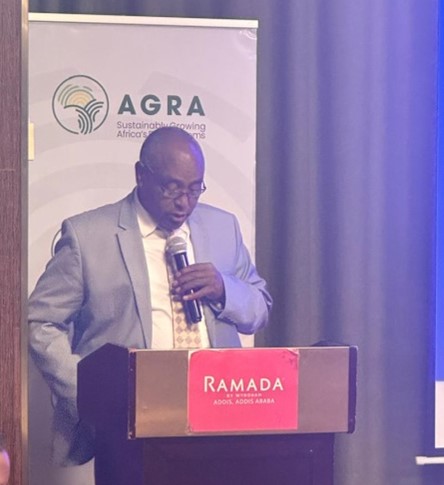
Dr. Yihenew Zewdie, Country Director of AGRA in Ethiopia, emphasized the critical importance of cross-border trade in advancing the economic interests of Ethiopia, Kenya, and the broader African continent. “By promoting trade across our borders, we are ushering in a new era of regional cooperation that will fuel growth and prosperity for generations to come,” he affirmed.

Echoing this sentiment, Mr. Abera Mulat, Senior Advisor at the Ministry of Agriculture, stated, “Ethiopia proudly leads this transformative initiative, demonstrating regional integration and the immense potential for sustainable agricultural development. Together, we are charting a course towards inclusive growth, focusing on empowering smallholder farmers, women, and youth.” His words resonated with the audience, reinforcing his commitment to inclusivity.

John Macharia, Country Director of AGRA in Kenya, underscored the need to enhance value addition within the pulses sector. “Our ambition is clear: by 2027, we aim to transform raw pulses into higher-value products, ensuring that trade benefits penetrate deep into local communities,” he articulated. This vision of enhancing value chains and promoting innovation in agriculture is central to the project’s mission.

The launch also addressed significant challenges in the sector, such as inefficient market systems, internal conflicts, inflated local prices, and low productivity among small-scale farmers. However, a prevailing sentiment of optimism and determination resonated among stakeholders, with a collective commitment to overcoming these obstacles through robust partnerships, improved market access, and an enabling policy environment.

In a noteworthy announcement, Mr. Gerald Masila, Executive Director of EAGC, revealed that importers and exporters had signed trade intent agreements totaling an impressive 6 million USD, solidifying the project’s early momentum. Furthermore, the Eastern Africa Grain Council (EAGC) and the Ethiopian Pulses Oilseeds and Spices Exporters Association (EPOSEA) signed a Memorandum of Understanding (MoU) to promote structured grain trade, which involves creating a more organized and efficient market for grain transactions. Additionally, it seeks to revolutionize production practices by implementing innovative and sustainable farming techniques. Ultimately, the MoU is to enhance food security across the region by ensuring a reliable supply of quality grain and improving the livelihoods of farmers and stakeholders involved in the agricultural sector.

This initiative marks a vibrant public-private dialogue towards a comprehensive policy framework to support pulse trade. By improving market access, enhancing supply chains, and creating opportunities for job creation and value addition, the Ethiopia-Kenya Pulse Trade Project aspires to revolutionize the agricultural landscape of East Africa.

As we look to the future, the promise of this project is unmistakable: to bolster food security, empower smallholder farmers, enhance income generation, and champion long-term sustainability. With steadfast support from partners such as the MasterCard Foundation and Soil & More, we are charting a course for a future where agriculture underpins economic resilience and prosperity across borders.

Together, we are sowing the seeds of a thriving trade ecosystem, and this launch signifies merely the first step in what is sure to be a transformative journey for the region. Stakeholders are encouraged to continue engaging in dialogue and collaboration, ensuring that the vision of the Ethiopia-Kenya Pulse Trade Project becomes a reality for communities throughout East Africa.
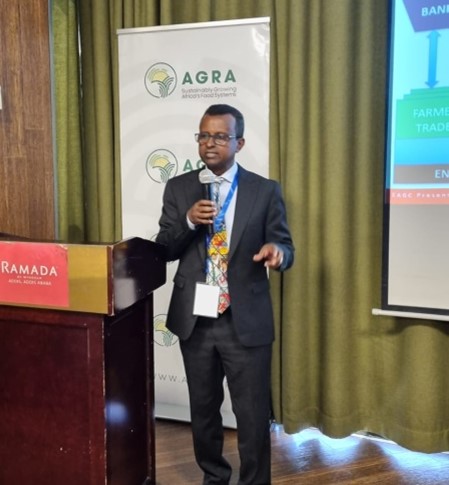

Dr. Yihenew Zewdie, Country Director of AGRA in Ethiopia

Mr. Abera Mulat,Senior Advisor at the Ministry of Agriculture


Abled Differently Zaharadeen Zailani a Beacon of Hope to Africans Disabled Smallholder Farmers

By Content Hub

In the State of Kadun in Nigeria, amidst sprawling rice paddies, we meet 34-years-old Zaharadeen Zailani in the bustling city of Zaria, the headquarters of the Zaria local government council and the traditional Zaria emirate.

Zaharadeen, was born disabled in 1990, but this has not deterred his spirit, despite living with disability, he is a beacon of inspiration in his community as he mentors and shares his knowledge with community members and encourages them to pursue their passion regardless of the circumstances, they find themselves in.

At first sight, you might view Zaharadeen’s condition as a barrier, but he sees it as an opportunity to redefine what success could look like. His passion for agriculture made him venture into farming where he cultivates rice, maize, and soya beans.

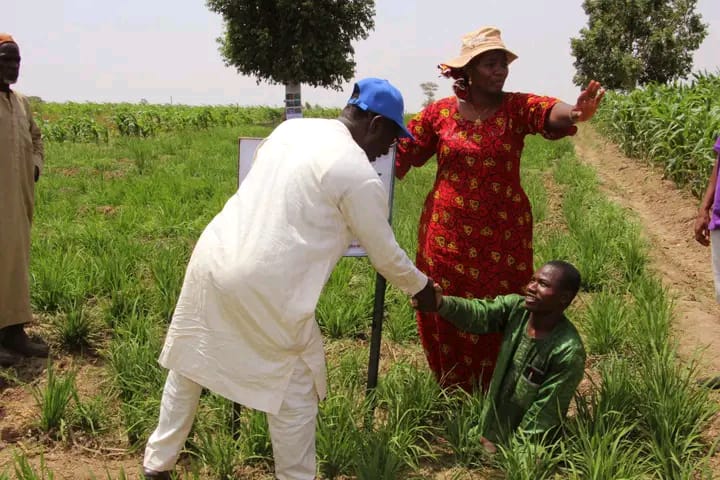
His impact has extended beyond his farm, and he has turned his rice paddies into demo plots sharing his skills with the community.

“Sometimes people are amazed about how I manage to farm because of my physical disability. I usually tell them; that disability is not inability. I can farm,” says Zaharadeen.

Zaharadeen is among thousands of smallholder farmers across sub-Saharan Africa who have benefited from AGRA’s empowerment programs, and through improved technologies and access to markets are transforming agriculture and consequently enhancing food and nutrition security within their communities.

In Nigeria, the System of Rice Intensification (SRI) introduced recently, is empowering small-scale rice farmers to produce more from using less water, less seeds, and lower costs of production compared to paddy rice.

The method which has four main components – soil fertility management, planting methods, weed control and water (irrigation) management, makes it ideal for small-scale farmers that have in the recent past been affected by extreme weather events such as frequent flooding and droughts.

“I now have a different experience especially after meeting AGRA and the National Agricultural Extension and Research Liaison Services (NAERLS), because they have taught us how to transform our farming from old ways to new methods,” says Zaharadeen.

He adds that he has now been sharing his knowledge with his community as a way of empowering them. As a Community-Based Advisor (CBA), Zaharadeen owns a rice demo plot where he has adopted the SRI method and trains other smallholder farmers.


“Some farmers within the community come to me and ask me about the new farming method and the challenges. Some have started adopting it, but a few are still sceptical, but with time everybody will get onboarded,” he says.

Rice farming in Nigeria is considered a major thing as the country is the largest producer and consumer of rice in Africa. Official data indicates that, as of the end of 2021, the country produced about five million metric tonnes of rice against a demand of 6.8 million metric tonnes per annum. Additionally, 90 percent of the rice is grown on paddies by resource-constrained smallholder farmers.

To address the deficit issue, SRI was introduced in Nigeria, and Kaduna State is one of the areas where this has been intensified. SRI is a climate-smart agriculture method that could address rice shortage in the country with environmental, economic, and social benefits to both small- and large-scale farmers.

In April, AGRA Kaduna Consortium lead and NAERLS visited Zaharadeen’s rice demo plot where the SRI method is being used. During the visit, AGRA Nigeria Country Program Lead, Juliette Lampoh handed a pumping machine to Zaharadeen to enhance irrigation for his demo.


Dr Liston Njoroge on a mission to engender positive social impact through agriculture

By Liston Njoroge

Please tell us more about your professional role at AGRA

I am the Country Program Lead (CPL) for AGRA Uganda. In that role, I am responsible for working with partners in the private sector, government, research organizations, and others to prioritize the constraints our smallholder farmers and other value chain actors face and design interventions that unblock these constraints and open opportunities for our target clients to thrive. My driving motivation is that I can be an agent for catalyzing the attainment of AGRA’s development outcomes, which include increasing farmers’ income, food security, and resilience. In summary, my current role at AGRA is to support the development of a strong country program for Uganda that addresses the critical binding constraints to food systems transformation and unlocks opportunities for our target clients to survive and thrive.

How did you get involved in the Country Programme Lead (CPL) job?

The CPL job was a gratifying and fulfilling transition from my previous role as a Program Officer (PO) based at our Dar es Salaam office. I say gratifying and fulfilling because, for the last couple of years, I have aspired to get a promotion to senior program officer. Even though I had the confidence and support of my previous manager, who firmly believed a promotion for me was timely and well deserved, that aspiration was slow to come. The big break came when the new organizational structure for implementing strategy 3.0. came out. I saw the opportunity presented by the new CPL positions, applied, got shortlisted, and was interviewed. I was successful in the interview, and soon, an appointment letter came.

How have you settled in Uganda after a stint in Tanzania? How is the language transitioning?

Transitioning from Tanzania to Uganda was easier than I thought. After staying in Tanzania for eight years, I became habituated to that beautiful country. Moreover, I have very strong familial and historical ties to Tanzania. So, I was satisfied and very complacent to remain in Tanzania. However, on arriving in Uganda, I discovered that the country is a beautiful gem that genuinely fits its description as the Pearl of Africa. From the immigration officers at the airport to colleagues in the office, vendors in the market, and congregants in places of worship, everyone is kind and friendly. So, my settling was easy, and I now feel Uganda is home away from home.

Would you say you have a mastery of language?

The sage has argued over the ages that when you speak to a person in their language, you talk to their hearts. Conversely, if you speak to them in a foreign language, you speak to their heads. So, I have endeavored to learn the language of my hosts to the extent that is feasible and practical. I do not have a flair for mastery of languages, but to a reasonable degree, I am well disposed in that direction. I try to learn, and I succeed often.

What are some of your major career accomplishments?

My career trajectory straddles research and development, as I worked in CGIAR, private for-profit market research, and back to the current development work at AGRA. Within CGIAR, I worked at the International Livestock Research Institute (ILRI). There, we contributed significantly to knowledge generation through conducting field research, data analysis and reporting, and publishing peer-reviewed articles in leading journals. One of our policy publications led to important reforms in the management of milk marketing in the country that saw itinerant traders allowed to participate in milk marketing. The old regulations permitted only registered milk processors to participate in milk marketing. The reform created flexibility in farmers’ choices to sell their milk, creating many dignified and fulfilling jobs in rural areas. Working in the for-profit market research sector was both challenging and fulfilling. Challenging because one had to report on and justify their contribution to the organization’s balance sheet. Fulfilling because one could relate their earnings to what they bring to the organization. In that role, we prepared many proposal bids that went to win and bring significant resources to the organization. At AGRA, we have delivered significant policy reforms beneficial to agribusinesses and smallholder farmers. I have also actively participated in developing and implementing country strategies.

How has your leadership role at AGRA helped define your career objectives?

My primary role as the Country Program Lead for Uganda is developing a strong country program around our country’s change narrative. To do that, I work with internal and external partners to prioritize the binding constraints within the business lines and design interventions that address these bottlenecks. I am motivated to contribute to attaining AGRA’s vision of transforming food systems, reducing hunger, improving nutrition, and adapting to the climate. My career objective is to engender positive social impact through agriculture.

You are passionate about the role of transforming agriculture. What are you doing around this matter as AGRA?

We are developing a country program that responds to the needs and aspirations of our stakeholders. We are building partnerships and capabilities that will help us transform agriculture.

What are your plans for the future?

I am exploring several options. I have broached the possibility of pursuing elective politics to the chagrin of my family. Let’s see what destiny will deliver in that direction. I may want to set up an advisory company to continue with my current trade in the solace of retirement.


Community-Driven Restoration: How the LISTEN Project is Greening Kenya’s Rangelands

In Kenya’s arid and semi-arid lands, specifically Laikipia, Isiolo, and Samburu counties, the four-year Laikipia Isiolo Samburu Strengthening Environment through Nexus (LISTEN) Project is making significant strides in enhancing resilience to climate change. This initiative focuses on improving food, nutrition, and water security while promoting sustainable rangeland management.

Implemented by AGRA in partnership with SNV and the Frontier Counties Development Council (FCDC), the LISTEN Project employs a nexus approach. This strategy involves integrating and leveraging the complementary activities of various agencies across different sectors, engaging community support, and involving the private sector where possible.

A notable achievement of the LISTEN Project, funded by the Embassy of the Kingdom of the Netherlands in Kenya, is its sustainable rangeland restoration efforts. The project has embraced a participatory approach, involving communities in every stage of intervention. This includes reseeding, eradicating invasive species like Opuntia, participatory resource mapping, and developing grazing management and business plans.

The project is grounded in county government ownership, aiming to scale impact by working at county, landscape, community, and farmer levels. It has supported the three county governments in crafting rangeland management frameworks, including the creation of policies and legislative structures to manage rangelands effectively. Each county now has a Rangelands Policy that calls for institutional structures, legislative drafts, and regulations for implementation. The validation of these policies through County Technical Working Groups (TWG) has further strengthened governance and policy direction.

Through these efforts, the LISTEN Project has rehabilitated 470 acres of rangeland. This has been achieved through grass reseeding and the establishment of seasonal grazing areas across community lands. Community members have been trained to develop grazing plans and practice regenerative land management through controlled grazing.

The project aims to support institutional capacities for climate change adaptation at the county level and enhance smallholder farmers’ knowledge and adoption of climate-smart irrigation technologies and practices. By involving communities in rangeland restoration, the project has improved pasture rejuvenation and increased availability, benefiting community members with better access to pasture for their herds and young livestock. This, in turn, has enhanced manure application and seed dispersal, leading to healthier rangelands.

The LISTEN Project has also provided valuable lessons for AGRA and its partners. One key insight is that introducing new knowledge requires ongoing capacity building rather than a single training session, as continuous education is essential for long-term impact. Community engagement is crucial for sustainability, as local knowledge and active participation are key to effective land management. Additionally, successful rangeland restoration hinges on strong partnerships, given the vastness of the arid and semi-arid lands (ASAL) rangelands.

 
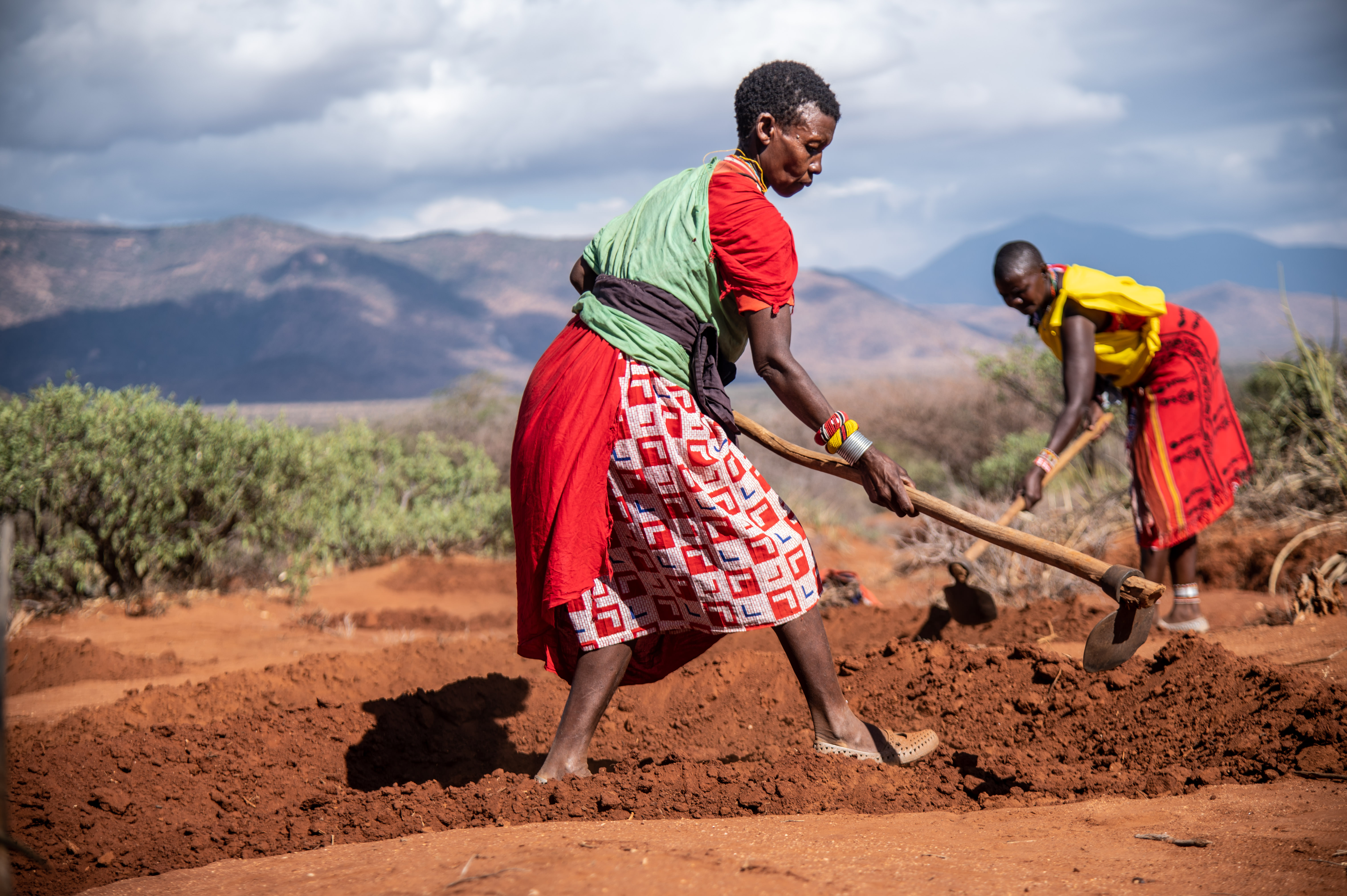
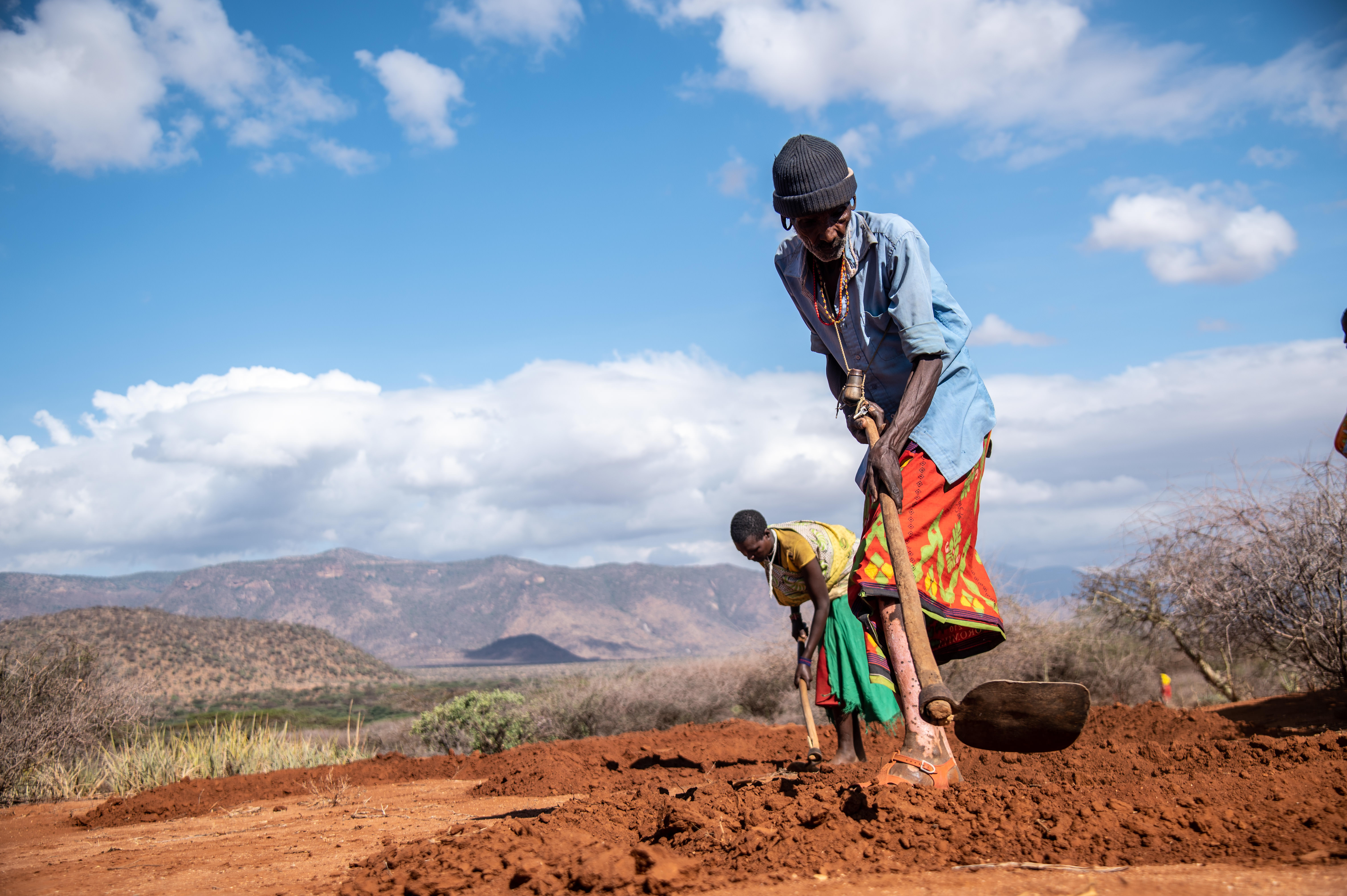
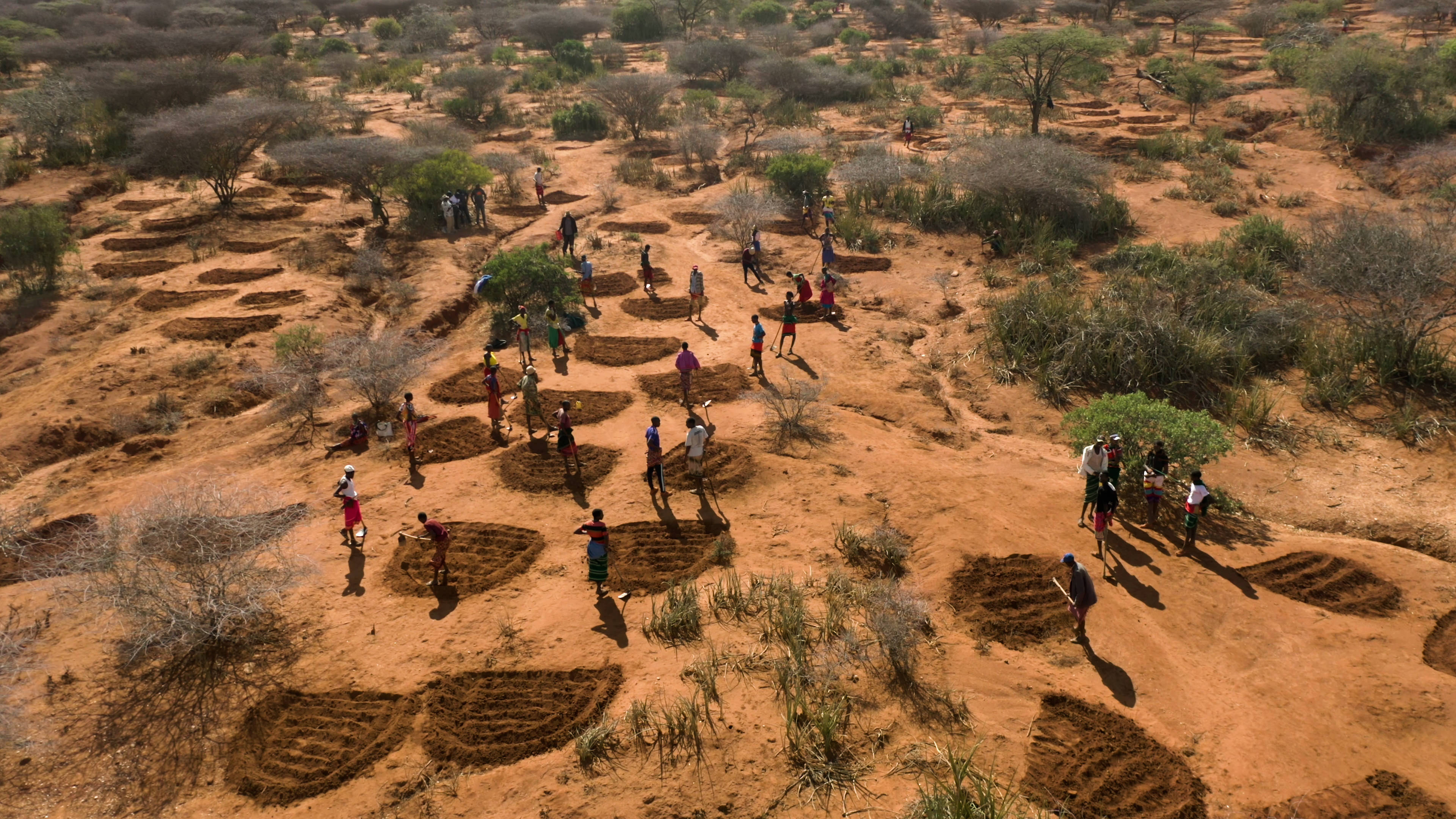
The community in Il Ngwesi, Isiolo County- Kenya engaging in the activity of rangeland restoration through grass reseeding, as part of restoring their degraded landscape.


Empowering Youth and Smallholder Farmers through AGRA’s Market Access Initiatives in Rwanda

Despite the promising landscape, young Rwandan agri-preneurs and smallholder farmers often encounter significant obstacles that hinder their full participation in the agricultural value chain. Chief among these challenges are limited access to markets, high transaction costs, inadequate access to finance, and a lack of technical skills in modern agricultural practices. The complexity of navigating these barriers has historically stifled agribusinesses’ growth and limited young farmers’ economic contributions.

However, a unique partnership has taken root, connecting smallholder farmers directly with markets and fostering sustainable agriculture. At the center stage, AGRA, with a mission to catalyze agricultural growth, is sowing seeds of transformation – driving initiatives that bridge the gap between youth agri-preneurs and market opportunities, fostering economic development and creating decent jobs for youth.

The World Bank predicts that African agriculture and agribusiness will grow into an €890 billion industry by 2030. Other studies show that the food and agriculture market could increase from US$280 billion annually in 2023 to US$1 trillion by 2030. This presents significant rewards for young people who tap into the industry as farmers and entrepreneurs. With about 78% of Rwanda’s population under the age of 35, according to The Rwanda Youth Survey Report, this demographic presents a tremendous opportunity for the country’s agricultural sector.

Josephine Armand, founder of Kunda Foods, Rwanda’s first artisanal gelato brand, and Pacifique Niyorurema, Founder of Fresco Fruits, are a shining example of how young Rwandan agri-preneurs are harnessing this potential. Their stories highlight the success of the Kigali Restaurant Week, spearheaded by AGRA.

“Being a part of the Kigali Restaurant Week has significantly impacted my business,” says Josephine. “It’s opened doors to new customers and allowed us to showcase the potential of Rwandan ingredients.”

Pacifique, on the other hand, expresses, “We are very grateful for this opportunity, which we learnt about through the Rwanda Youth in Agribusiness Forum (RYAF). It has allowed us to expand our network of farmers and explore new markets, especially the partnership with Kunda Foods, whom we are supplying to, up to three times weekly now.”

Josephine’s path to Kunda Foods began in Switzerland, where she honed her expertise in sustainable practices within the luxury gemstone supply chain. Upon returning to Rwanda, she recognized a vibrant restaurant scene yearning for high-quality, locally sourced ingredients. This gap fueled her vision for Kunda Foods.

With a commitment to both deliciousness and sustainability, Josephine sources ingredients directly from Rwandan farmers, creating a win-win situation. Local farmers are able to benefit from increased demand and stable prices while Kunda Foods brings to life every unique Rwandan flavor in each plate and continues to support the local economy. This approach fosters a resilient and sustainable supply chain, a critical factor for long-term success.

“We’re committed to using the freshest, most flavorful Rwandan produce,” Josephine explains. “It’s not just about creating delicious gelato; it’s about supporting our local communities and creating a positive environmental impact.”

Echoing her commitment, Pacifique notes, “Our initial engagement with Josephine was majorly keen on sustainable Agriculture. In fact, the basis of our agreement is pegged on the quality of fruits we bring to them and specifically the condition in which they are grown. He further adds “With Kunda, it’s not about the volume; it’s all about the quality of the fruits we bring to them and those especially grown through sustainable practices.”

Subsequently, Fresco Fruits has redefined the fruit supply chain by ensuring that local farmers’ produce reaches the market fresh, nutritious, and ready for consumption. Their efforts have not only improved livelihoods but have also contributed significantly to the local economy.

‘We don’t just look for volume,’ Pacifique emphasizes. ‘We look for the impact we can make. We want to help farmers send their children to school and build a better future.’

Founded on the principle of empowering farmers, they directly purchase produce, eliminating exploitative middlemen and ensuring fair prices.

‘We started because we saw how farmers were being dictated by middlemen,’ explains Pacifique Niyorurema, Fresco Fruits’ founder. ‘We used to receive meagre prices and long payment delays.’

Fresco Fruits’ approach is rooted in collaboration. They partner with farmers, providing them with advance payments, technical assistance, and access to a reliable market. A testament to their collaborative spirit is Fresco Fruits’ successful partnership with Kunda Foods, a renowned Kigali restaurant.

“The future of agriculture is bright,” says Josephine. “With hard work, dedication, and support from initiatives like AGRA’s Kigali Restaurant Week, young Rwandan agri-preneurs can transform our food systems and build a more sustainable future.”

For many young entrepreneurs in Africa, the journey from farm to market is fraught with challenges. Access to markets is a colossal barrier that stifles potential growth at its inception. However, both Kunda Foods and Fresco Fruits’ success stories serve as a beacon of hope as Rwanda continues to position itself as a leader in agricultural innovation on the continent.

In light of these achievements, the future of Rwanda’s agribusiness looks promising. With continued support from organizations like AGRA and more collaborative efforts within the industry, their journey is a testament to the possibilities that arise when youth, innovation, and collaboration converge to rewrite the narrative of African agriculture.

AGRA co-host a Workshop on Africa-China Agricultural Mechanization and Digitization Cooperation

By Cheng Cheng

AGRA co-hosted a workshop on Africa-China Agricultural Mechanization and Digitization Cooperation the first of it kind. The event was co-hosted by China Association of Agricultural Machinery Manufacturers (CAAMM) and Hello Tractor. It was held under the theme of “Agricultural Mechanization and Digitization: A Pathway to Sustainable Transformation of Food Systems, Youth and Female Employment, and Food Security in Africa”.

The seminar brought together representatives from the Chinese government, agriculture-related international organizations, domestic and international financial institutions, and Chinese agricultural machinery manufacturers.

The seminar, which included three sub-forums focused on different topics, was co-chaired by Dr. Cheng Cheng, Lead of Asian Partnerships at AGRA, and Wang Fengde, Deputy Secretary-General of CAAMM. Tang Zhongdong, Consul General from the Ministry of Foreign Affairs, and Prof. Chen Zhi, President of the CAAMM, attended the seminar and delivered opening remarks.

Consul General Tang Zhongdong pointed out that in recent years, China-African economic and trade cooperation has developed rapidly. Chinese enterprises have significant agricultural investments in Africa. However, the proportion of cooperation in the agricultural machinery industry is relatively low. He hopes that this seminar will enhance the depth and breadth of China-African cooperation in agricultural mechanization and digitization, break through the bottlenecks in China-Africa agricultural machinery industry cooperation, explore greater potential for China-African agricultural cooperation and provide diversified and innovative cooperation models. China welcomes all parties to join forces to implement the “Plan for China Supporting Africa’s Agricultural Modernization”, making new and greater contributions to building a closer China-Africa community with a shared future.

President of CAAMM, Chen Zhi put forward several requirements and hopes. First, he urged agricultural machinery enterprises to cooperate with Africa in a timely and appropriate manner, emphasizing the importance of understanding local cultures and respecting local customs to ensure sustainable development. He pointed out that professional organizations like AGRA could provide more assistance to Chinese agricultural machinery enterprises in their cooperation with Africa. Second, he called for agricultural machinery enterprises to improve their risk resilience in cooperation with Africa by adopting Hello Tractor’s advanced digital management methods and service models to ensure effective operation across production, sales, and after-sales services. Third, he stressed the importance of product quality and stability, noting that product quality is fundamental to the survival and development of enterprises. It’s also important to improve after-sales service levels to create globally recognized Chinese agricultural machinery. He expressed that the China Agricultural Machinery Industry Association is committed to supporting industry development, acting as a bridge and link for communication and cooperation, and proactively providing more professional and development-oriented services for China-Africa agricultural mechanization and digitization cooperation.

CEO Jahiel Oliver introduced Hello Tractor’s advanced experience in agricultural machinery leasing, management, and services tailored to Africa’s actual needs and discussed prospects for the future development of China-Africa agricultural mechanization and digitization cooperation.

The seminar then delved into the pain points and challenges in the development of China-Africa agricultural mechanization and digitization cooperation. Participants proposed development strategies focused on policy support, financial matching, integration of machinery and agronomy, and training exchanges, emphasizing trade-first, industry-matching, and trade-industry linkage approaches. Representatives from invited agricultural machinery enterprises communicated fully with international agricultural organizations and financial institutions in a Q&A format, reaching cooperation intentions.

Before the seminar, a delegation from AGRA, Hello Tractor, and WINGI INC visited several major agricultural machinery manufacturing companies, including YTO Group, Weichai Lovol, Changzhou Dongfeng, Changfa Agricultural Machinery, and Shandong Wuzheng.

Data-Driven Revolution: How African Policymakers Can Transform Agriculture

The policy and legislative environment is a key driver of agricultural transformation. Policy and regulatory regimes “define the rules of the game”. They regulate the roles and behaviour of players in the sector, determine resource allocation, and assign incentives and disincentives accordingly.

Policies shape the business environment by influencing costs, risks, and competition barriers for different players in the agricultural value chain. This in turn extensively affects investment decisions not only by the government but also by the private sector. Thus, by a single stroke of a policy or law, the government can shift the direction and pace of agricultural development.

Opinion leaders in agricultural development agree that the observed changes in Africa’s agriculture and economic fortunes over time have much to do with the policies that African leaders have chosen than anything else. Weak policies and poor legislative decisions have shaped the continent’s agriculture and economic growth by stifling investments in skills, technology, services, and infrastructure.

Whereas regulation is important to ensure safe agricultural practices, setting quality standards, encouraging innovation and sustainable use of resources; heavy regulation creates burdensome procedures and high transaction costs and can be detrimental, especially to small players. Therefore, the benefits of regulations should always outweigh its social and economic costs. Excessive regulation with opaque discretion and overbearing regulations in the agriculture sector can constrain innovation and trade, to the detriment of poor farmers in the rural villages in the continent.

Agriculture policy and legislative regimes are very dynamic. Governments are constantly enacting new policies and revising existing ones. Yet, a lingering question is how grounded these decisions are in solid data and evidence. Many times, policies have had unintended negative consequences, while others are lacking in key aspects that ensure effectiveness, equity, and sustainability.

 Consider the policies enacted by African countries since independence. In the 1960s-1980s, many nations implemented import substitution industrialization policies, which included trade restrictions like import barriers, marketing controls, and export taxes. These measures aimed to protect nascent industries from competition. However, they inadvertently raised prices for imported fertilizer and equipment, while exports lost competitiveness due to currency appreciation.

The infamous Structural Adjustment Programs (SAPs) instituted in the 1980s-1990s pushed for better incentives for producers and reduced restrictions for the private sector to invest by eliminating public agricultural marketing boards, ending subsidies, deregulating agricultural pricing and marketing. Evidence is mixed, but many countries experienced strong productivity growth in the 2000s, as a result of macroeconomic stabilization.

At the continental level, the post-2000s era policy has been driven by the Comprehensive Africa Agriculture Development Programme (CAADP), the 2014 Malabo Declaration on Accelerated Agricultural Growth and Transformation for Shared Prosperity and Improved Livelihoods, and the Africa Continental Free Trade Area (AfCFTA). These commitments require countries to allocate at least 10 percent of public expenditures to agriculture, achieve a 6 percent average annual agricultural growth rate, and reduce restrictions to intra-African agricultural trade, among others. Although CAADP has resulted in increased prominence of agriculture in policy agendas and therefore expenditure and funding, research shows that most of the funding has been allocated to input subsidies.

The subsidies, although associated with increased use of inputs and higher agricultural yields, are poorly designed and rife with inefficiency, bias, and corruption. Implementation of the AfCFTA is constrained by the continued use of temporary regional trade restriction policies, ostensibly as countries seek to respond to food supply and deficit conditions. The International Trade Centre data finds that 70% of African food exporters are affected by challenges related to non-tariff measures. These trade-restricting policy measures sometimes founder and push prices higher.

Ex-ante policy analysis and pre-legislative assessments utilize predictive analysis techniques to forecast the impact of a policy or legislation prior to its implementation. During an ex-ante evaluation, policymakers gather data and evidence to assess the thoroughness of problem/gap diagnostics, relevance and coherence of proposed strategies and objectives to users, consistency with other policies and strategies, pragmatism of expected results, and economic and social impacts on various stakeholders and their activities.

Policies informed by data and evidence are more likely to be effective, equitable, and sustainable. Yet, despite the clear benefits, there are many instances where agriculture policy and legislative decisions are driven more by political expedience or ideology than by data and evidence.

Policymakers in Africa face data availability and quality challenges. Outdated, incomplete, and biased data hinder effective decision-making. Political interests often override evidence-based choices. For instance, despite evidence of inefficiency, bias, and corruption, some governments persistently implement publicly driven input subsidy programs instead of exploring private sector-driven alternatives.

To overcome such challenges, African governments and partners should invest in robust data collection and analytics infrastructure (technology) and skilling (training of personnel to analyze and interpret data). To effectively utilize the data for policy, a culture of transparency and accountability, where data and the rationale behind policy decisions are shared publicly to build trust with stakeholders should be fostered.  The CAADP Biennial Review process is an example of a publicly available accountability mechanism where the performance of countries against the various Malabo declaration indicators is tracked. Lastly, the role of stakeholder engagement cannot be ignored.

Inclusion of various interest groups such as scientist groups and think tanks, provides reliable evidence and exchange of knowledge, while public engagement enhances scrutiny, relevance, and acceptance of policies.

Youth in Agrifood Systems 

Poultry Farming is an important Safety Net for the Youth

Poultry farming presents a golden opportunity for African youth to transform their lives and contribute to food security. As the continent faces challenges related to unemployment, malnutrition, and poverty, engaging young people in poultry production can be a game-changer.  

According to the Food and Agricultural Organisation (FAO) the importance of poultry on livelihoods and food security lies in the provision of meat, and eggs, while being a strategic household investment. 

Poultry is also an important safety net in the event of a drought – it is easily disposable for cash when need arises or during droughts.  

Rearing poultry can be a rewarding venture, especially for young farmers. Here are some key skills to focus on: 

  1. Education and Knowledge: Before diving into poultry farming, invest time in learning. Explore resources online, government extension programs, and agricultural colleges. Understand different breeds, proper chicken care, nutrition, disease prevention, and biosecurity measures.  
  2. Communication and Negotiation: Young poultry farmers should learn how to effectively communicate with suppliers, customers, and other stakeholders. Negotiation skills can help secure better deals with feed merchants and hatcheries.  
  3. Understanding Inputs and Costings: Learn about the costs involved in poultry production. Understand feed prices, raw materials, and other inputs. Managing volatility in commodity markets is essential.  
  4. Biosecurity Measures: Implement practices to prevent disease outbreaks. Biosecurity helps protect your flock from infections and ensures healthy birds. 
  5. Record Keeping: Maintain detailed records of expenses, production, and health status. Good record-keeping enables informed decision-making. 
  6. Practical Skills: Hands-on experience matters. Learn how to handle chicks, manage broilers, and care for layers. Practical skills include feeding, housing, and disease management. 
  7. Market Awareness: Understand market trends, consumer preferences, and demand. Stay informed about poultry industry developments. 

Remember, passion, dedication, and adaptability are essential traits for successful poultry farming. 

African Policymakers Should Leverage Data and Evidence to Improve the Quality of Policy and Legislative Decisions in Agriculture

“Data-Driven Revolution: How African Policymakers Can Transform Agriculture

Revolutionising African Agriculture: Data-Driven Imperatives

By  Davis Muthuni

The policy and legislative environment is a key driver of agricultural transformation. Policy and regulatory regimes “define the rules of the game”. They regulate the roles and behaviour of players in the sector, determine resource allocation, and assign incentives and disincentives accordingly.

Policies shape the business environment by influencing costs, risks, and competition barriers for different players in the agricultural value chain. This in turn extensively affects investment decisions not only by the government but also by the private sector. Thus, by a single stroke of a policy or law, the government can shift the direction and pace of agricultural development.

Opinion leaders in agricultural development agree that the observed changes in Africa’s agriculture and economic fortunes over time have much to do with the policies that African leaders have chosen than anything else. Weak policies and poor legislative decisions have shaped the continent’s agriculture and economic growth by stifling investments in skills, technology, services, and infrastructure.

Whereas regulation is important to ensure safe agricultural practices, setting quality standards, encouraging innovation and sustainable use of resources; heavy regulation creates burdensome procedures and high transaction costs and can be detrimental, especially to small players. Therefore, the benefits of regulations should always outweigh its social and economic costs. Excessive regulation with opaque discretion and overbearing regulations in the agriculture sector can constrain innovation and trade, to the detriment of poor farmers in the rural villages in the continent.

Agriculture policy and legislative regimes are very dynamic. Governments are constantly enacting new policies and revising existing ones. Yet, a lingering question is how grounded these decisions are in solid data and evidence. Many times, policies have had unintended negative consequences, while others are lacking in key aspects that ensure effectiveness, equity, and sustainability.

 Consider the policies enacted by African countries since independence. In the 1960s-1980s, many nations implemented import substitution industrialization policies, which included trade restrictions like import barriers, marketing controls, and export taxes. These measures aimed to protect nascent industries from competition. However, they inadvertently raised prices for imported fertilizer and equipment, while exports lost competitiveness due to currency appreciation.

The infamous Structural Adjustment Programs (SAPs) instituted in the 1980s-1990s pushed for better incentives for producers and reduced restrictions for the private sector to invest by eliminating public agricultural marketing boards, ending subsidies, deregulating agricultural pricing and marketing. Evidence is mixed, but many countries experienced strong productivity growth in the 2000s, as a result of macroeconomic stabilization.

At the continental level, the post-2000s era policy has been driven by the Comprehensive Africa Agriculture Development Programme (CAADP), the 2014 Malabo Declaration on Accelerated Agricultural Growth and Transformation for Shared Prosperity and Improved Livelihoods, and the Africa Continental Free Trade Area (AfCFTA). These commitments require countries to allocate at least 10 percent of public expenditures to agriculture, achieve a 6 percent average annual agricultural growth rate, and reduce restrictions to intra-African agricultural trade, among others. Although CAADP has resulted in increased prominence of agriculture in policy agendas and therefore expenditure and funding, research shows that most of the funding has been allocated to input subsidies.

The subsidies, although associated with increased use of inputs and higher agricultural yields, are poorly designed and rife with inefficiency, bias, and corruption. Implementation of the AfCFTA is constrained by the continued use of temporary regional trade restriction policies, ostensibly as countries seek to respond to food supply and deficit conditions. The International Trade Centre data finds that 70% of African food exporters are affected by challenges related to non-tariff measures. These trade-restricting policy measures sometimes founder and push prices higher.

Ex-ante policy analysis and pre-legislative assessments utilize predictive analysis techniques to forecast the impact of a policy or legislation prior to its implementation. During an ex-ante evaluation, policymakers gather data and evidence to assess the thoroughness of problem/gap diagnostics, relevance and coherence of proposed strategies and objectives to users, consistency with other policies and strategies, pragmatism of expected results, and economic and social impacts on various stakeholders and their activities.

Policies informed by data and evidence are more likely to be effective, equitable, and sustainable. Yet, despite the clear benefits, there are many instances where agriculture policy and legislative decisions are driven more by political expedience or ideology than by data and evidence.

Policymakers in Africa face data availability and quality challenges. Outdated, incomplete, and biased data hinder effective decision-making. Political interests often override evidence-based choices. For instance, despite evidence of inefficiency, bias, and corruption, some governments persistently implement publicly driven input subsidy programs instead of exploring private sector-driven alternatives.

To overcome such challenges, African governments and partners should invest in robust data collection and analytics infrastructure (technology) and skilling (training of personnel to analyze and interpret data). To effectively utilize the data for policy, a culture of transparency and accountability, where data and the rationale behind policy decisions are shared publicly to build trust with stakeholders should be fostered.  The CAADP Biennial Review process is an example of a publicly available accountability mechanism where the performance of countries against the various Malabo declaration indicators is tracked. Lastly, the role of stakeholder engagement cannot be ignored.

Inclusion of various interest groups such as scientist groups and think tanks, provides reliable evidence and exchange of knowledge, while public engagement enhances scrutiny, relevance, and acceptance of policies.

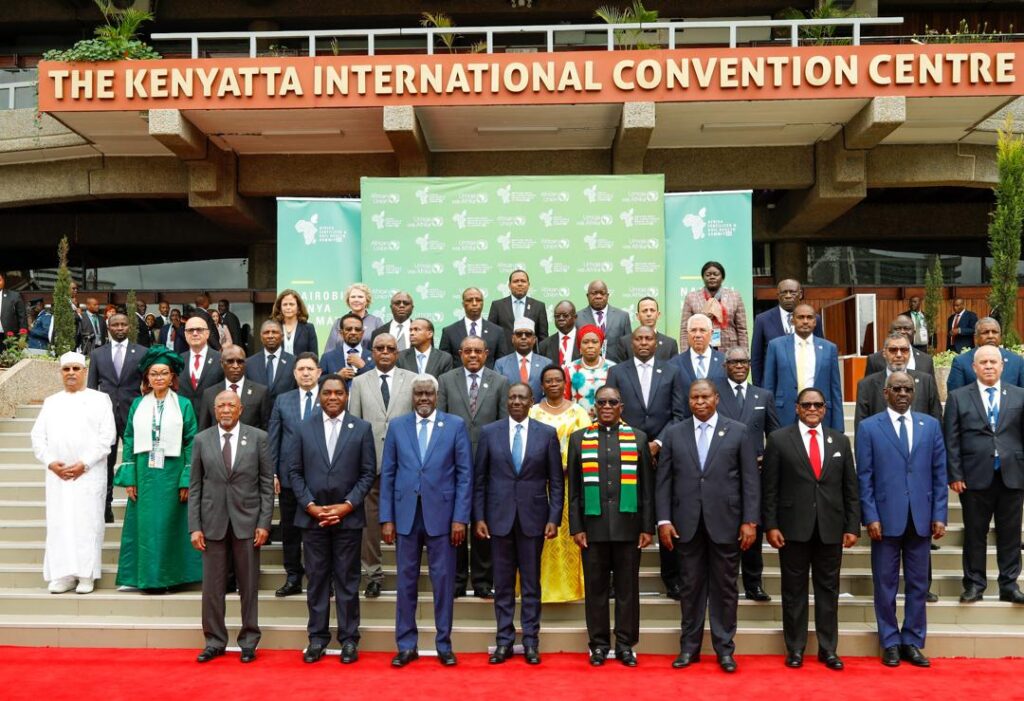
Day 3 | The Africa Fertilizer and Soil Health Summit Day & Nairobi Declaration

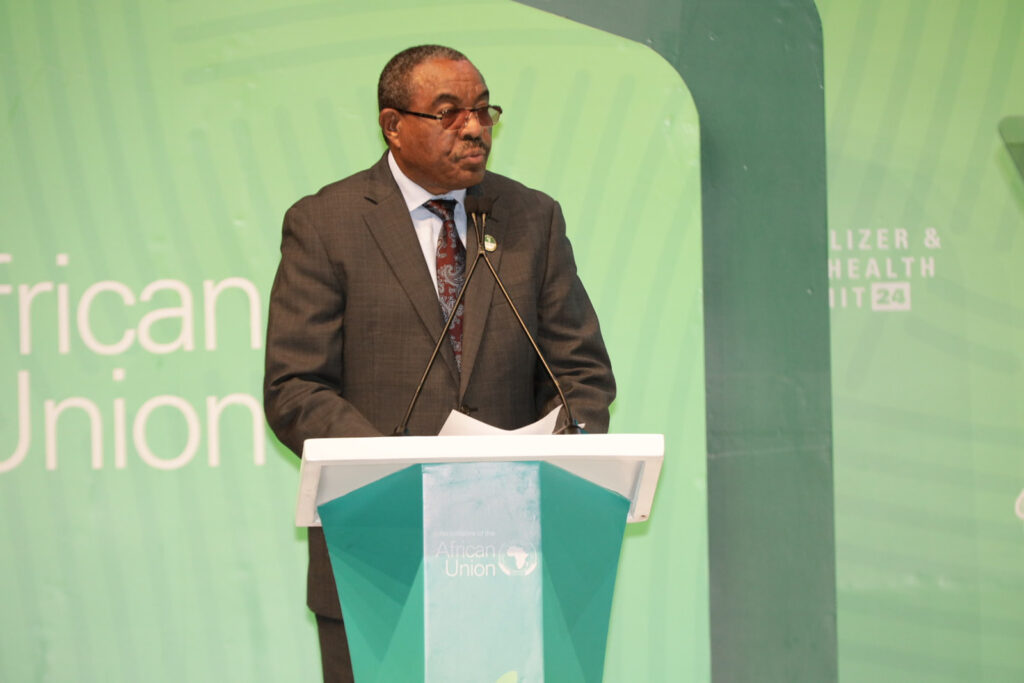
AGRA Board Chairman, H.E Hailemariam Desalegn

On the third and last day of the summit, AGRA Board Chair His Excellency Hailemariam Desalegn joined several Heads of State to advocate for practical measures that safeguard the health of African soils is key. He emphasised to the attendees the necessity of soil preservation, citing its dual role in improving food security and guaranteeing environmental sustainability.

See a recap of his remarks below;

H.E. Hailemariam Desalegn addressed the various Heads of State present during the first session of the last day of the Summit. He began by emphasising that more was needed to sustain Africa’s growing population and combat climate change.

He raised a challenge on how to significantly boost the yields of crops while conserving soil health and reducing environmental impact. Ethiopia’s Sustainable Land Management Program served as a beacon of hope, demonstrating the transformative effect of investing in soil regeneration and watershed management. With reduced soil loss and greater crop yields, the initiative demonstrates the value of focused interventions.

Recognizing the need for data-driven solutions, Ethiopia’s Soil Information System highlighted the importance of extensive soil analysis. By providing district-level soil fertility maps and targeted fertilizer recommendations, the initiative has enabled farmers to make better-educated decisions, optimising agricultural potential.

Addressing the need for fresh policy prescriptions, he advocated for targeted incentives based on the most frequently utilised nutrients in specific regions, intending to lower overall subsidy costs. These efforts constitute a change from the business-as-usual norm, providing promising solutions for agricultural sustainability.

He also urged African leaders to commit to supporting the African Fertilizer and Soil Health Summit by lobbying for technical, political, and financial support to drive long-term change. By adopting the African Fertilizer and Soil Health 10-Year Action Plan, he called for collaboration to ensure that every African has access to nutritious food and that African soils are sustainable for current and future generations.

Africa’s agricultural future depends on sustainable growth, collaboration, and innovative solutions. Africa can realise its agricultural potential by prioritizing soil health, encouraging innovation, and building global partnerships while ensuring food security and environmental sustainability for future generations,” he noted.

Vision for Adapted Crops and Soils (VACs)

In a move to bolster Africa’s agricultural resilience, AGRA has deepened its commitment to advancing the vision for Adapted Crops and Soils, or VACs. This strategic commitment, announced in collaboration with the U.S. Special Envoy Cary Fowler and the broader VACs coalition, marks a pivotal moment in the continent’s pursuit of sustainable food systems.

AGRA’s renewed focus on VACs aligns with the Soils Initiative for Africa and the African Fertilizer and Soil Health Action Plan, signaling a comprehensive approach to addressing the challenges of climate change and food security. By championing diverse, nutritious, and climate-adapted crops cultivated in healthy soils, AGRA aims to build resilient food systems that can withstand the impacts of a changing climate.

Building upon its existing groundwork and in-country partner networks, AGRA is poised to scale up efforts in advancing VACs across Africa. AGRA has committed to integrating VACs into the Africa Food Systems forum, fostering dialogue and collaboration on sustainable agricultural practices.

Furthermore, AGRA is committed to leveraging its community and partnerships to promote VACs-aligned initiatives and investment opportunities. AGRA will also work with government partners to develop and implement actionable policy recommendations that advance this shared vision.

Dr Kalibata with US Special Envoy on Global Food Security, Cary Fowler at KICC before the announcement of VACS.

A Summary of the Nairobi Declaration

As the summit came to a close, the importance of the 10-year Action Plan became more evident. It was discovered that due to decades of continuous soil nutrient mining and soil aging, Africa’s soils, which are among the oldest in the world, have become the poorest. An estimated more than $4 billion in soil nutrients is lost each year, putting Africa’s ability to feed itself in danger. However, many African farmers still do not have access to fertilizers or cannot afford the inputs required to bring life back into their soils and halt the downward spiral of environmental deterioration. 

The Action Plan “will mark a pivotal stride towards a green revolution across Africa, laying the groundwork for an agricultural renaissance.

The Action Plan will be guided by 5 key action points that will serve as the roadmap for transformative change. The Nairobi Declaration was a result of discussions among various stakeholders, including policymakers, scientists, farmers and private-sector representatives to declare:

  • Endorsement of Fertiliser and Soil Health Action Plan & the Soil Initiative for Africa Framework as key guiding documents.
  • Commitment to tripling domestic production and distribution of both organic and inorganic fertilizers, ensuring they reach 70% of small-holder farmers across the continent.
  • Commitment to reversing land degradation and restoring soil health on at least 30% of degraded soil by 2033.
  • Commitment to fully operationalise the Africa Fertiliser Financing Mechanism.
  • Private sector to increase investments in Africa’s fertilizer industry and promote sustainable soil management practices.
  • Our governments to create an enabling environment to attract more private-sector investments
  • African Union Commission and African Union Development Agency-NEPAD (AUDA-NEPAD) to support Member States to implement the commitments we made in the Nairobi Declaration
  • Development partners to support governments and regional economic communities in adopting best practices in fertilizer use and soil management.
  • Heads of State and Government to collaborate closely in implementing the endorsed 10-year action plan for sustainable soil health at the domestic level

This declaration will address key topics including soil nutrient management, the impact of climate change, regenerative methods, and the implementation of African leaders’ past agreements to increase agricultural production.

Musa Faki, AUC Chairperson and Kenya President Dr William Ruto at KICC during Africa Fertilizer and Soil Health Summit

While giving remarks following the declaration, AGRA’s Director of Climate Change, Sustainable Productivity and Resilience Dr. Tilahun Amede stated that the Action Plan has been supported by AGRA who brought the technocrats together, set the agenda, drafted the action plans, which is now declared in the summit.